The system allows for rapid analysis of complex sequencing data to track respiratory, enteric, and emerging infections.
Researchers at the University of Nottingham are using the Genome Detective platform to accelerate the analysis of viral genotyping data, aiming to provide faster clinical insights for respiratory, enteric, and emerging infections.
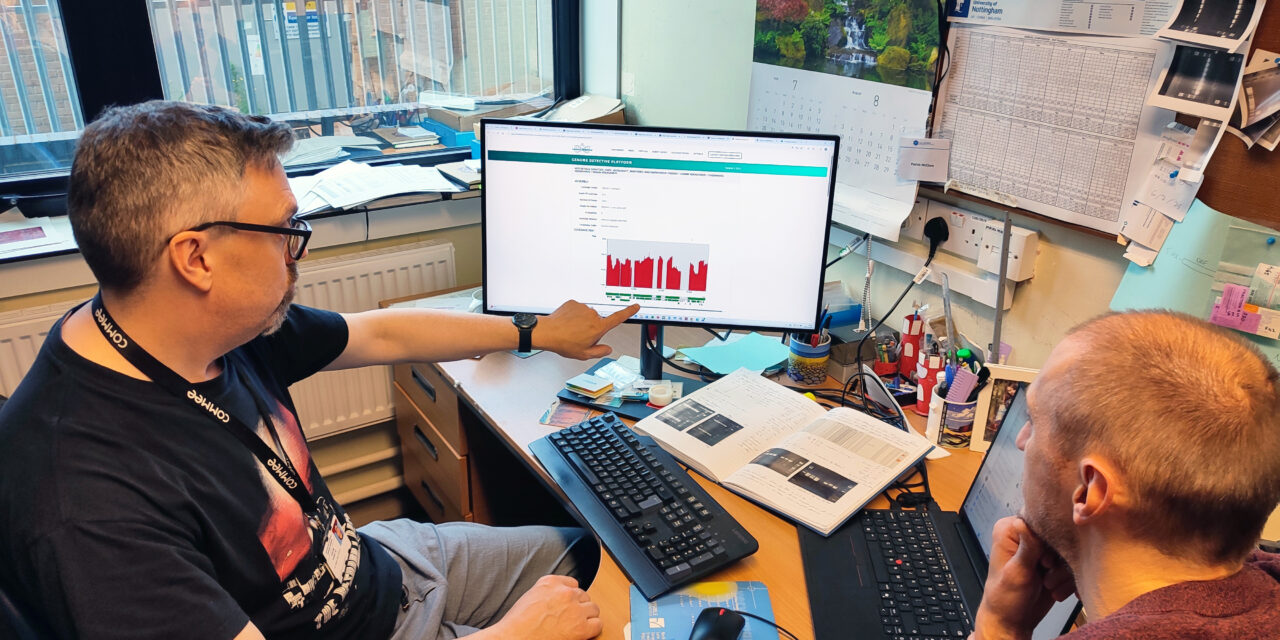
Patrick McClure, assistant professor at the University of Nottingham, uses the web-based interface to analyze metagenomic datasets and complex multiplex polymerase chain reaction projects. The platform allows researchers to bypass the need for extensive in-house bioinformatics expertise and high-power computing.
“Everyone wants to do sequencing, but in concert with wet-lab deep-sequencing service providers, Genome Detective takes away the expense, risks, and complications,” says McClure in a release.
The platform has reduced the time required for certain laboratory pipeline processes to minutes. This is particularly useful for evaluating new amplicon sequencing schemes for viruses such as Sapovirus, Astrovirus, and Adenovirus. The drag-and-drop interface enables staff and students to process raw data and receive typing reports quickly.
“You just drag and drop raw data from commercial sequence providers, and you get comprehensive reports,” says McClure, highlighting that the platform’s speed and reliability are vital for projects with tight turnaround times, in a release.
The system also supports global surveillance efforts. Improved access to next-generation sequencing (NGS)-based Enterovirus data can facilitate early outbreak detection, clinical diagnostics, and research on virus evolution, epidemiology, and disease burden.
The platform provides visual outputs, including data plots and alignment charts, which are used for both academic research and emerging clinical applications. McClure has contributed to position papers regarding the use of NGS in clinical environments, noting that the range of outputs strengthens the ability to share and analyze data.
While currently used primarily for surveillance, the speed of the platform may allow for single-day turnaround services in the future, which are essential for clinical management.
“Use the tools. They tell you what there is and give you a complete report,” says McClure in a release.
Photo caption: Patrick McClure, assistant professor at the faculty of medicine and health sciences (left), discussing results generated by Genome Detective.
Photo credit: University of Nottingham