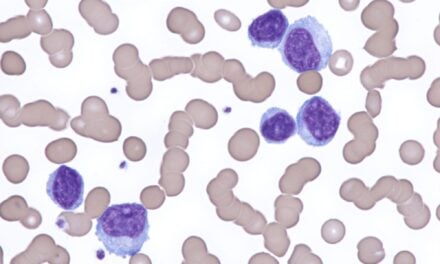
The ADLiB platform combines multiple genetic signals and machine learning to identify high-risk patients for surgical biopsy.
Researchers at the Medical University of South Carolina Hollings Cancer Center have developed a liquid biopsy platform designed to shorten the time to lymphoma diagnosis. The study, published in HemaSphere, describes the Access to Diagnosis using Liquid Biopsy (ADLiB) test, which identifies patients most likely to have lymphoma to prioritize them for surgical biopsy.
Lymphoma diagnosis often requires a surgical biopsy reviewed by specialized pathologists, a process that can take weeks or months depending on access to healthcare resources. Symptoms like swollen lymph nodes, fever, and fatigue can also mimic infections such as tuberculosis, leading to diagnostic delays.
“We’re trying to address one of the biggest bottlenecks in lymphoma care, which is getting patients diagnosed quickly and accurately,” says Katherine Antel, MD, PhD, physician-scientist at Hollings and lead author of the study, in a release. “Our goal is to identify the patients who are most at risk for lymphoma so they can move to a biopsy and treatment much sooner.”
The platform analyzes cell-free DNA, which are fragments of DNA released into the bloodstream. The ADLiB test combines several genetic signals, including tumor DNA levels, lymphoma-associated mutations, chromosome changes, immune cell receptor patterns, and infectious pathogens. A machine-learning algorithm weighs these factors together to estimate the likelihood of lymphoma.
Researchers evaluated the platform in 124 adults in South Africa presenting with enlarged lymph nodes. The ADLiB test correctly identified patients with lymphoma 95% of the time and distinguished them from patients with noncancerous causes with 92% accuracy.
The ADLiB test is intended as a triage tool to flag high-risk patients for faster follow-up testing rather than a replacement for tissue biopsy. It may also detect chromosome changes to help classify lymphoma subtypes and guide treatment, especially for patients with lymph nodes in locations where obtaining a tissue sample is difficult (such as in central nervous system lymphomas).
“This would prioritize patients who are at high risk of having lymphoma and need to be expedited for a tissue biopsy,” says Antel, in a release. “It doesn’t eliminate the need for a biopsy, but it can help us identify those patients much earlier.”
While the researchers developed the tool with resource-limited settings in mind, they note that it could also address diagnostic barriers in rural communities and smaller hospitals in high-income countries where access to specialized pathology expertise is limited.
Photo caption: Oncologist Katherine Antel, MD, PhD, practiced in South Africa and observed delays in diagnosis there. When she came to South Carolina, she said, she was surprised to see some of the same challenges.
Photo credit: Clif Rhodes, Medical University of South Carolina