Implementing a point-of-care high-sensitivity troponin test alongside the HEART score enabled ambulance crews to safely triage more than a third of patients without hospital transport.
Ambulance crews using a high-sensitivity point-of-care troponin test in combination with clinical risk scoring safely avoided emergency department presentations for over a third of patients with acute chest pain, according to study findings presented at the European Emergency Medicine Congress.
At present, approximately 95% of patients experiencing chest pain are transported by ambulance to emergency departments for diagnostic workups, although only a minority have a serious cardiac condition. Standard practice typically requires blood samples to be analyzed on central laboratory analyzers once patients arrive at the hospital.
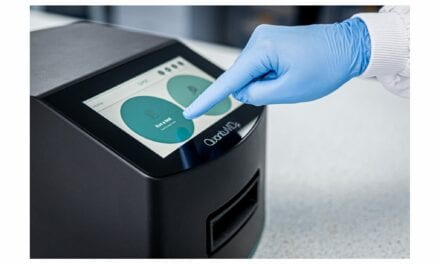
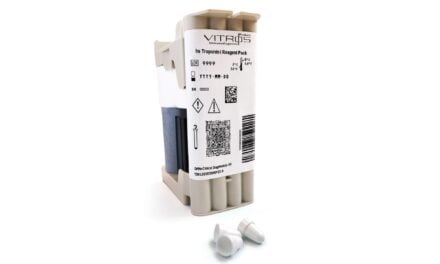
However, newer high-sensitivity point-of-care troponin tests, such as the assay developed by QuidelOrtho that was evaluated in the study, deliver on-the-spot results in less than 20 minutes with diagnostic accuracy comparable to central laboratory testing.
Assessing Pre-Hospital Risk Stratification
Conducted by the Rotterdam-Rijnmond ambulance service in the Netherlands, the study enrolled 1,022 chest pain patients between 2022 and 2025 to evaluate the clinical impact of pairing mobile troponin analysis with the HEART score. The HEART scoring system assesses patient history, age, electrocardiogram abnormalities, and risk factors, combined with troponin values, to classify individuals into low, medium, or high risk for major adverse cardiovascular events (MACE).
In the “before” phase of the study, 539 patients received standard care, resulting in only 19 patients (3.5%) remaining at home. In the subsequent “after” phase, paramedics collected blood samples from 483 patients upon arrival and ran point-of-care troponin tests while conducting routine physical examinations and calculating clinical risk scores.
When patients presented with a low HEART score, a troponin level below 4 ng/L, and no suspicion of alternative acute conditions such as pulmonary embolism, pneumothorax, or pancreatitis, crews left them at home or referred them to their general practitioner.
“During the ‘before’ phase, when the high-sensitive point-of-care troponin test was not used by the ambulance crews, 19 patients (3.5%) were left at home, whereas during the ‘after’ phase when the test was used, 165 patients (34.2%) were left at home. In other words, over a third of patients avoided going to an emergency department when they were assessed by the ambulance crews using the high-sensitive troponin test and HEART-score,” Barbra Backus, emergency physician and study investigator, told the European Emergency Medicine Congress.
“Hospital referrals were reduced significantly, avoiding hospital overcrowding and unnecessary use of medical resources, while enabling more patients to avoid the stresses of the hospital environment. This is good for patients and good for hospitals,” Backus told the congress.
Safety Outcomes and Real-World Implementation
Patient safety remained high among those managed without hospital transport. With 86% of follow-up complete, overall 30-day MACE rates dropped from 15.0% in the pre-intervention phase to 9.8% after implementation. Furthermore, only one of the 165 patients (0.6%) left at home during the intervention phase experienced a MACE within 30 days.
According to Backus, this advanced pre-hospital triage protocol will become mandatory across the Netherlands in 2027, with potential applications for international emergency care systems.
Outside experts noted the broader implications for acute diagnostic pathways across emergency services.
“This study has the potential to refine the allocation of patients to emergency department while improving the quality and efficiency of pre-hospital emergency care,” says Masa Soric, head of the emergency department at University Hospital Merkur in Zagreb, Croatia, and member of the EUSEM abstract selection committee. “By enabling earlier rule-out of acute myocardial infarction in the pre-hospital setting, high-sensitivity point-of-care troponin testing may reduce unnecessary hospital transports and emergency department evaluations. Beyond emergency medical services, this approach could, with further validation, eventually be extended to other primary care settings, facilitating more efficient patient triage and resource utilization across the healthcare system.”
ID 892404 © Zimmytws | Dreamstime.com