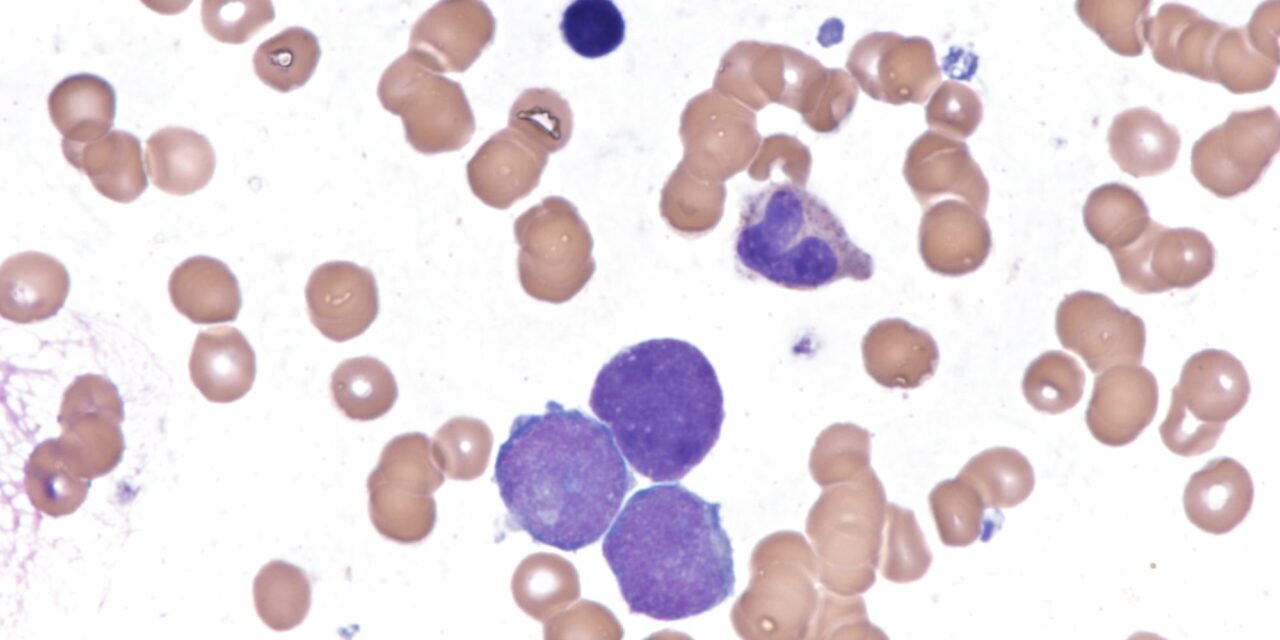
Researchers used a plasma-based approach to estimate disease burden and identify molecular subtypes, offering a possible alternative to repeat biopsies.
Researchers have developed a blood-based method that may help clinicians monitor small-cell lung cancer and understand the biology driving it. The study was published in the Journal of Clinical Investigation.
The international team was led by Prof Nir Friedman and Dr Gavriel Fialkoff of the Hebrew University-Hadassah Medical School, with Dr Nobuyuki Takahashi and Dr Anish Thomas of the US National Cancer Institute.
Small-cell lung cancer often responds to initial treatment before returning. When that happens, clinicians need to know what has changed in the tumor, but obtaining another tissue sample through an invasive biopsy is difficult for these patients and can hasten disease progression. Small-cell lung cancer accounts for approximately 15% of lung cancer cases and often grows and spreads quickly, with many patients diagnosed at an advanced stage.
Reading Gene Activity From Plasma
The researchers focused on fragments of DNA wrapped around histone proteins that dying cells release into the bloodstream. Chemical marks on those histones indicate which genes were active in the originating cells.
Using a technique called cfChIP-seq, the team analyzed these signals. Whereas many existing liquid biopsies look for changes in the genetic code, this approach examines how cells are using that code. The method required only about 1 mL of plasma.
The team analyzed 441 plasma samples from people with small-cell lung cancer, people with other cancers, and healthy individuals, and compared the blood findings with gene activity measured in tumor samples. They identified molecular patterns characteristic of small-cell lung cancer and developed a quantitative measure of the strength of those cancer-associated signals.
Findings on Tumor Burden and Subtypes
The blood-based score correlated with the amount of cancer measured by medical imaging and changed during treatment. Across the patients studied, the median score fell after treatment, consistent with reduced tumor mass, and higher scores were associated with shorter survival in the study group.
The blood samples also provided information about molecular subtypes. Signals detected in a patient’s blood closely reflected the activity of key genes in that patient’s tumor tissue. This may be relevant because emerging treatments may work differently against different subtypes.
Some samples carried signals linked to more than one subtype, which highlights the disease’s complexity. The researchers note that because blood can collect material released by cancer cells in different locations, the approach may offer a broader view than a biopsy from a single site.
The method is not yet ready to replace tissue biopsies or guide routine treatment decisions. Larger studies are needed to establish how reliably it tracks changes and whether using its results to select treatments improves patient outcomes.
ID 464054153 © Rafael Fores | Dreamstime.com