A review of 12 studies finds that bowel cancer is far less common in symptomatic adults under 50 who receive the test, raising questions about whether one cutoff fits every age group.
A new systematic look at fecal immunochemical tests (FITs) suggests that the standard positivity threshold may not perform equally well across age groups. The review, led by researchers at the University of Nottingham and published in the journal Gut, focused on adults younger than 50 with symptoms that could indicate colorectal cancer.
The findings come as early-onset bowel cancer, defined as a diagnosis before age 50, is increasing globally. According to Cancer Research UK, bowel cancer is the fourth most common cancer and the second highest cause of cancer death in the UK.
Evidence Gap in Younger Patients
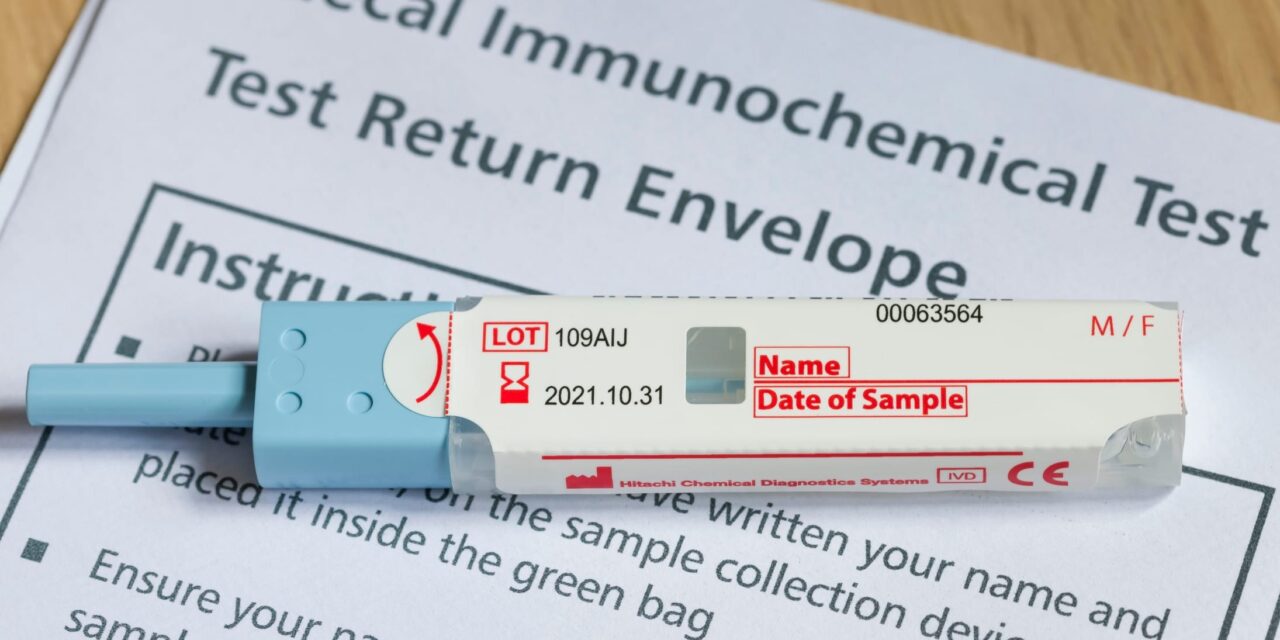
In the UK, general practitioners use FITs to detect microscopic traces of blood in stool from patients with symptoms of bowel cancer. A negative result indicates a very low cancer risk and no further testing is needed. Patients with a FIT result of 10 or above are referred to the hospital for urgent additional testing, such as colonoscopy, which is invasive and can be uncomfortable.
Although bowel cancer risk varies greatly by age group, most research has focused on patients older than 50. The Nottingham-led team set out to evaluate FIT performance in patients under 50 at the current cutoff of 10, and compare it with performance in older patients.
The researchers identified 12 studies that included more than 69,000 symptomatic people under 50 who were tested with FIT. Among those patients, about 1 in 300 (0.35%) were diagnosed with bowel cancer. In people over 50, the risk was three to seven times higher.
Implications for Thresholds
The authors conclude that FIT is a good test for diagnosing bowel cancer, but using the same threshold of 10 may not work equally well for all age groups. Many more people under 50 would need to undergo further invasive tests to find one case of bowel cancer compared with older adults. The team says additional research is needed to tailor cutoffs so the right patients can be prioritized for faster diagnosis.
“For the first time, our international research brings together the current evidence base for using stool tests in the diagnosis of patients with symptoms of suspected colorectal cancer with a particular focus on how the test performs by age. Further work is now needed to assess the optimum FIT cut-off or integration of FIT into individualised CRC risk prediction models in patients under 50 years and to examine alternative causes of a raised FIT in younger age groups,” says David Humes, professor in the School of Medicine and the NIHR Nottingham Biomedical Research Centre and senior author of the research, in a release.
The study was supported by international collaborators including COLOREACH-UK and the US-based charity Fight Colorectal Cancer.
“Early-onset colorectal cancer is rising worldwide, and this is exactly the kind of question our Global Research Collaborative was built to answer. By pooling evidence across countries, this team has shown that one FIT threshold may not work equally well for every age group. Fight CRC is proud to have brought this group together, and we look forward to the next steps toward better, more tailored diagnosis for people under 50,” says Anjee Davis, MPPA, CEO of Fight Colorectal Cancer, in a release.
ID 232427113 © Paul Maguire | Dreamstime.com