
The investigational test applies a protein panel and proprietary algorithm to help clinicians separate a treatable condition from Alzheimer’s disease and other neurodegenerative disorders.
The FDA has granted Breakthrough Device Designation to a urine test from Biostream that is intended to aid in diagnosing idiopathic normal pressure hydrocephalus (iNPH), the company announced.
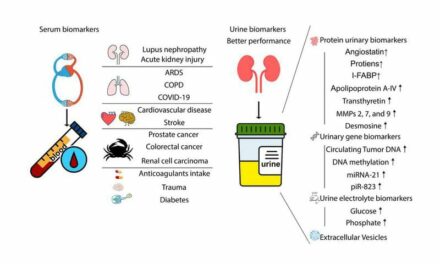
The Haifa, Israel-based company develops urine-based biomarker diagnostics for neurological care. Its test measures a panel of proteins in a urine sample and applies a proprietary algorithm to generate a probability score.
The test is intended for use by health care professionals, together with clinical assessment, to aid in diagnosing iNPH and differentiating it from Alzheimer’s disease and other neurodegenerative disorders. The intended population is patients 60 years and older with signs and symptoms suggestive of normal pressure hydrocephalus.
The FDA’s Breakthrough Devices Program is intended to give patients more timely access to devices that may provide more effective diagnosis or treatment of life-threatening or irreversibly debilitating conditions. Designated devices receive priority review and more interactive engagement with the agency during development.
“Too many people with normal pressure hydrocephalus are told their symptoms are Alzheimer’s or simply old age, when a treatable condition is behind them,” says Dr Meital Segev Bar, cofounder and CEO of Biostream, in a release. “We look forward to working closely with FDA as we advance our test toward clinical validation.”
A Treatable Condition Often Missed
Normal pressure hydrocephalus is a build-up of cerebrospinal fluid in the brain that causes walking difficulties, memory and thinking problems, and loss of bladder control. Unlike most causes of dementia-like symptoms, it can often be treated. Shunt surgery to drain the excess fluid can bring substantial improvement, especially when performed early, according to the company.
However, iNPH is frequently mistaken for Alzheimer’s disease, Parkinson’s disease, or normal aging. Studies estimate that it affects about 2% to 4% of people 65 years and older, and the Hydrocephalus Association reports that more than 80% of patients are unrecognized or untreated, according to Biostream.
Confirming the diagnosis currently relies on brain imaging and invasive spinal fluid tests, such as a lumbar tap test, which are available mainly at specialized centers. Biostream’s test is designed to add objective, biology-based information from a urine sample to help clinicians identify patients who may have iNPH and should be considered for further evaluation.
Next Steps
Biostream plans a prospective clinical validation study at US academic medical centers during 2027.
The iNPH test is an investigational device and is not currently available for sale in the United States. Breakthrough Device Designation is not FDA clearance or approval and does not guarantee marketing authorization, according to the company.
Founded in 2025, Biostream combines urinary proteomics with machine learning to develop noninvasive tools for diagnosing and managing neurological disorders. Normal pressure hydrocephalus is the focus of its first product.