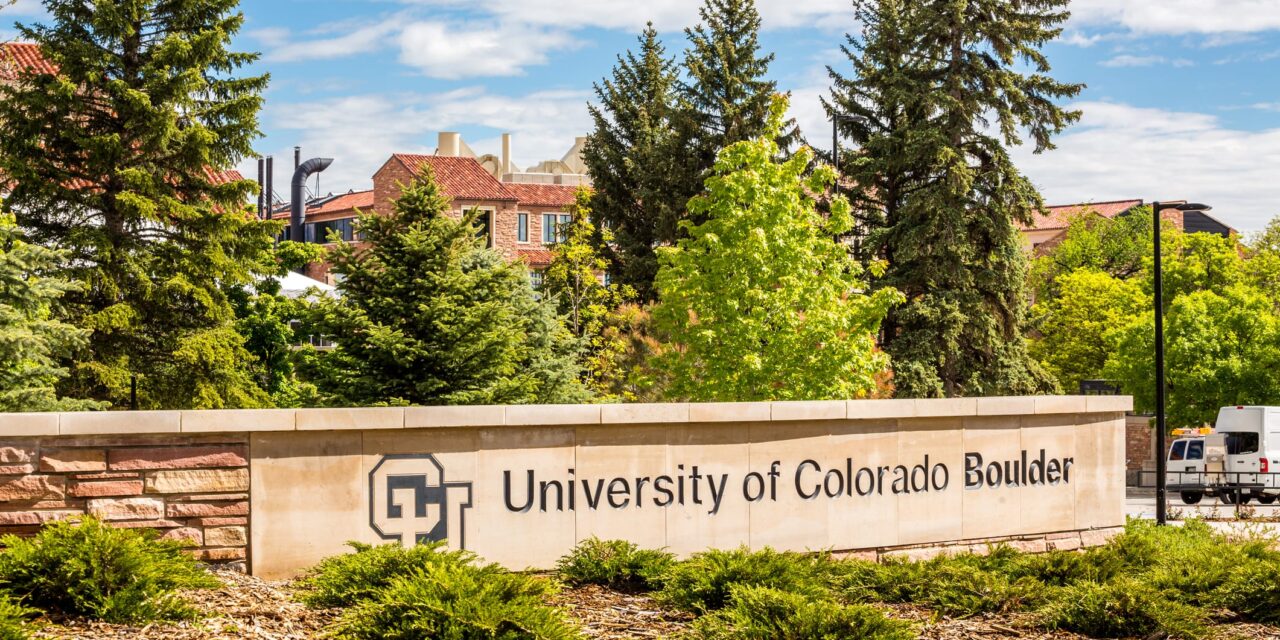
A new licensing agreement gives researchers scalable access to high-purity, long RNA constructs for use in gene editing and RNA therapeutic research.
Cirena has secured a license to a patented RNA synthesis technology developed at the University of Colorado Boulder, providing researchers with a scalable route to producing high-purity, 100–400 nucleotide (nt) RNA constructs for applications in clustered regularly interspaced short palindromic repeats (CRISPR), functional genomics, and RNA therapeutics.
The licensed technology is based on a thionocarbonate chemistry platform, which Cirena says offers a significantly higher-yield synthesis route compared with conventional phosphoramidite methods. According to the company, prior methods made it difficult or impossible to reliably produce long and ultra-long RNA constructs at scale—a limitation that has hampered research programs reliant on these molecules.
“Demand for long and ultra-long RNA has grown rapidly as CRISPR, long non-coding RNA (lncRNA), and RNA-therapeutic programs advance, and this technology finally makes those constructs reliably accessible at scale,” says Doug Dellinger, chief executive officer of Cirena, in a release. “This agreement with the University of Colorado expands our ability to provide high-purity long RNA to the global research community while maintaining rapid turnaround times.”
Technology Origins and Commercial Path
The underlying technology was developed at CU Boulder by the teams of Marvin Caruthers—co-founder of Amgen and Applied Biosystems—and Douglas Dellinger, who previously worked at CU Boulder and Agilent. Cirena is headquartered at the BioFrontiers Institute at the University of Colorado Boulder.
“The underlying patent estate represents years of excellent foundational work at CU Boulder,” says Bryn Rees, senior associate vice chancellor for innovation and partnerships at CU Boulder, in a release. “By commercializing through Cirena, researchers worldwide will finally have dependable access to long and ultra-long RNA constructs that have historically been difficult or impossible to obtain at scale.”
Implications for RNA Research
The agreement is positioned to address a longstanding bottleneck in RNA research workflows. As RNA-based modalities—including messenger RNA therapeutics, CRISPR guide RNA engineering, and lncRNA studies—have expanded in scope, the inability to synthesize long, highly modified RNA constructs with consistent purity has been a persistent constraint.
Cirena says its platform enables rapid turnaround of 100+ nt RNA with exceptional purity, supporting researchers across therapeutics, gene editing, and functional genomics. RNA products from Cirena are intended for research use only.
ID 56730996 © Jacek Sopotnicki | Dreamstime.com