Liquid Biopsy Predicts Immunotherapy Response in Breast Cancer, Study Shows
Researchers at Vanderbilt-Ingram Cancer Center report that RNA sequencing of blood samples can predict immunotherapy response in high-risk breast cancer patients.


Researchers at Vanderbilt-Ingram Cancer Center report that RNA sequencing of blood samples can predict immunotherapy response in high-risk breast cancer patients.

Researchers found that circulating tumor DNA testing could identify which older patients with estrogen receptor–positive breast cancer are less likely to respond to hormone therapy alone.







A blinded validation in more than 400 women shows the test provides clearer guidance on recurrence risk and radiation therapy decisions.






Personalis, Inc. unveiled promising new clinical data from the PREDICT DNA and SCANDARE studies at ASCO 2025.
Read More
SAGA Diagnostics has launched Pathlight, a groundbreaking multi-cancer blood test for ultra-sensitive detection of MRD.
Read More
Hologic and Biotheranostics unveiled new data showing that the Breast Cancer Index (BCI) test improves treatment decision-making.
Read More
A groundbreaking genetic study identified two novel breast cancer-linked genetic variants in Black South African women.
Read More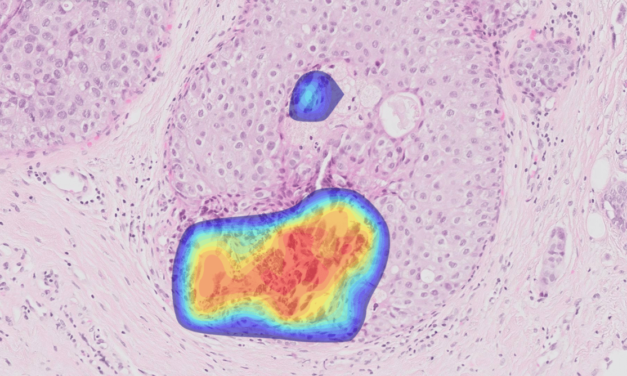
A new peer-reviewed study confirms that Ibex Breast significantly enhances accuracy, speed, and efficiency of breast pathology evaluations.
Read More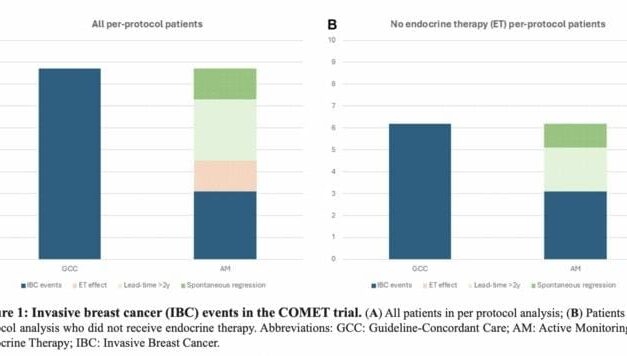
A new editorial discusses findings from the COMET trial, suggesting that early-stage breast cancer may not require immediate surgery.
Read More
Roche’s PATHWAY anti-HER2/neu (4B5) test has received FDA approval to ID patients with HR-positive, HER2-ultralow metastatic breast cancer.
Read More
BioView’s liquid biopsy test offers a non-invasive method to detect HER2 status in metastatic breast cancer patients.
Read More
A new laser analysis and AI method capable of detecting stage 1a breast cancer with 98% accuracy offers an effective screening option.
Read More
A researcher’s new mouse model for studying breast cancer could enhance understanding of cancer metastasis and its spread to organs.
Read More
Alverno Laboratories has expanded its use of Ibex’s AI-powered cancer diagnostics platform to include breast cancer detection for patients.
Read More
Ibex has introduced advancements to its AI-powered platform, enhancing breast cancer diagnostics, improving algorithm accuracy, and more.
Read More
Many breast cancer survivors who qualify for genetic testing are not receiving it, though those who do often discuss results with family.
Read More
A new blood test can predict the recurrence of breast cancer in high-risk patients by detecting cancer DNA months or years before relapse.
Read More
PreciseDx will present findings on their AI-driven breast cancer recurrence prediction test at the 2024 ASCO Annual Meeting.
Read More