USC researchers are studying whether a liquid biopsy that detects rare cancer-associated cells and extracellular vesicles can identify breast cancer as early as stage I.
Researchers at Keck Medicine of USC have launched a phase 1 clinical trial to evaluate whether a blood test can help detect breast cancer earlier than mammography alone.
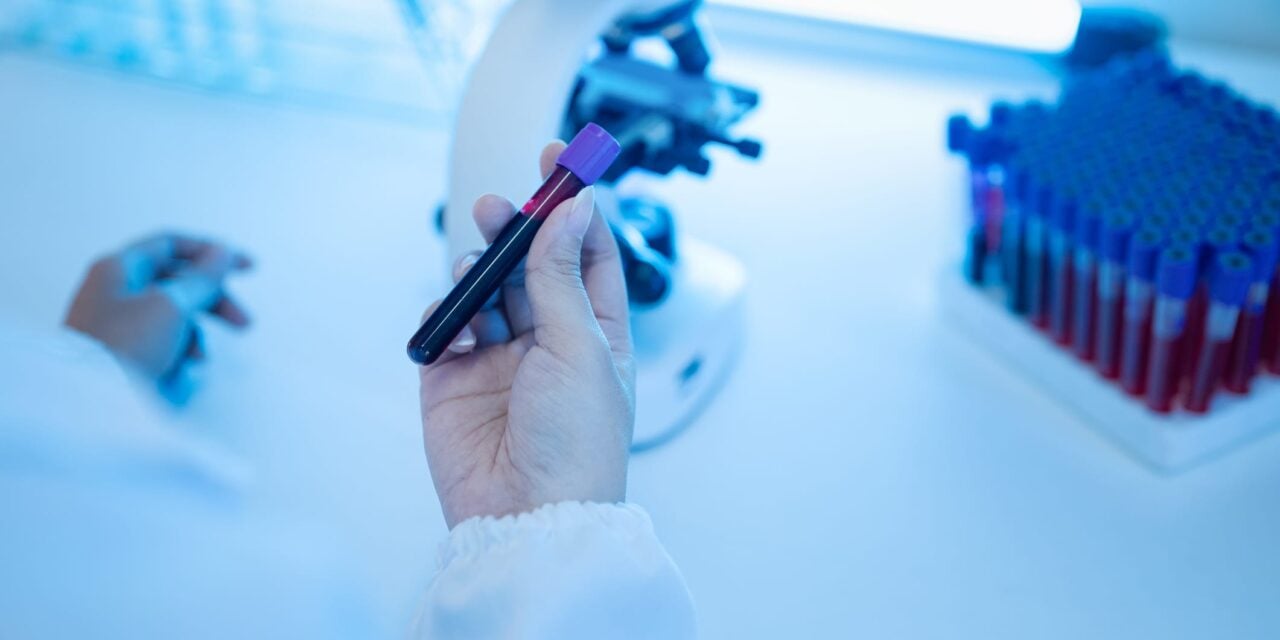
The trial is assessing whether a liquid biopsy can be used alongside standard mammograms to identify cellular and molecular indicators of early-stage breast cancer detection, potentially as early as stage I. Developed at the USC Michelson Center Convergent Science Institute in Cancer, the test is engineered to detect rare cancer-associated cells as well as tumor-associated large extracellular vesicles (L-EVs)—tiny particles released by cancer cells that enter circulation during early disease onset.
More than 300,000 women in the US are diagnosed with breast cancer each year. While mammography remains the primary screening modality, abnormal findings frequently require supplementary workups, including diagnostic imaging or tissue biopsies, before clinicians can confirm a diagnosis. In some instances, patients are advised to undergo repeat imaging after six months, creating clinical delays and patient anxiety.
“Our hope is to determine whether this test can provide more information about breast cancer screening and detection, particularly during the stages of the disease when it may be easier to treat,” says Anastasia Martynova, MD, a breast cancer specialist and medical oncologist with USC Norris, principal investigator of the trial, in a release.
Targeting Extracellular Vesicles and Rare Cells
Most existing liquid biopsy tests look for small pieces of DNA released by cancer cells to track recurrence or therapeutic response in established disease. However, these DNA markers can be difficult to detect when the cancer is still small or at an early stage.
The USC test instead looks for rare cancer-associated cells and tumor-associated L-EVs. Early data indicate that these targets are present in blood during the earliest stages of malignancy and provide insight into dynamic cellular communications between the tumor and its microenvironment.
“These particles could potentially give doctors an additional sign of cancer, especially at early stages when other tests might not be able to detect it,” says Martynova in a release.
The underlying method was developed by Peter Kuhn, PhD, a professor of biological sciences at the USC Dornsife College of Letters, Arts and Sciences. Kuhn developed a technique capable of identifying multiple common breast cancer-associated rare-cell and extracellular-vesicle signals within blood samples.
Trial Design and Broader Screening Implications
To evaluate diagnostic accuracy, investigators will collect two serial blood samples from participants spaced one year apart, correlating assay findings with clinical diagnoses. Investigators emphasize that the liquid biopsy remains investigational and is designed to supplement, rather than replace, standard imaging modalities and tissue biopsies.
Beyond augmenting mammography interpretation, researchers are studying whether the blood-based assay could expand screening access.
“If the test is shown to be effective, it could offer an additional screening option for women who face barriers to mammography, such as those who live in remote areas where access to screening services is limited,” says Amanda M. Woodworth, MD, director of breast health at Keck Medicine and Henry Mayo Newhall Hospital, and co-investigator of the trial, in a release. “It could also have potential applications for women who have undergone a mastectomy, for whom mammograms are no longer an option.”
If findings from this initial phase 1 study are favorable, the research team plans to proceed to a larger phase 2 clinical trial. Investigators note that the same platform technology may also hold utility for screening other solid malignancies in the future, including lung and colon cancers.