Research presented at ESTRO 2026 suggests circulating tumor DNA can identify which patients will benefit from combined radiation and drug therapy.
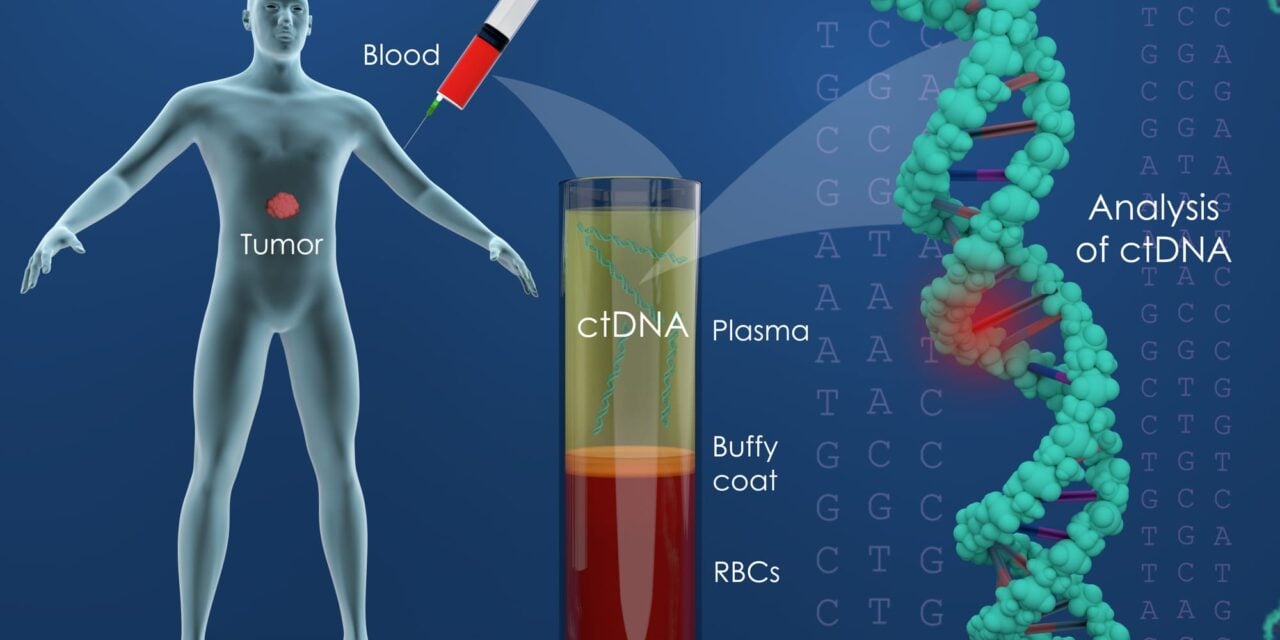
A blood test that detects circulating tumor DNA (ctDNA) in the bloodstream may help clinicians select the most effective treatment options for patients whose cancers have begun to spread, according to a randomized controlled trial presented at the Congress of the European Society for Radiotherapy and Oncology (ESTRO 2026).
The study, also published in the Journal of Clinical Oncology, focused on patients with oligometastatic cancer, a term used when cancer has just started to spread beyond its origin. Currently, this condition is diagnosed by counting the number of metastases identified on X-rays, computed tomography scans, or magnetic resonance imaging.
“Multiple studies have suggested that treating oligometastatic cancer with a combination of both chemotherapy and local treatments directed at the site of tumours, such as high-precision radiotherapy, may improve cancer control. But counting lesions might not be the most effective way of identifying which patients might benefit from radiotherapy,” says Alex D Sherry, MD, assistant professor of radiation oncology at the Mayo Clinic, in a release.
Predicting Therapy Response via ctDNA
The trial included 237 patients across six subgroups, including pancreatic, breast, kidney, and prostate cancers. Participants were randomly assigned to receive either drug therapy alone or drug therapy combined with radiation therapy. Researchers collected blood samples at the start of the trial, after three months, and again when the cancer spread to test for the presence of ctDNA.
The research team found that patients with detectable tumor DNA in their blood at the start of the trial were more likely to experience continued cancer growth and had a higher risk of mortality. However, patients who received radiation therapy directed at sites of spread in addition to drug therapy showed improved clearance of ctDNA.
“This has important implications, as patients whose ctDNA was cleared from the bloodstream had much better outcomes and survival than those that didn’t. This reinforces the importance of targeted treatment such as radiotherapy when treating oligometastatic cancer,” says Sherry in a release.
Refining Clinical Prognosis
The results suggest that if ctDNA is found in the bloodstream after therapy, it may indicate the cancer is more aggressive, has developed resistance to current treatment, or that additional tumor cells exist that were not captured on standard scans.
The research team suggests that testing for ctDNA may help determine which patients are the best candidates for radiotherapy and help doctors identify when a cancer has changed.
“We wanted to investigate whether a new test that measures circulating tumour DNA—parts of the tumour that are shed into the bloodstream—would help us work out which patients would benefit the most from combining chemotherapy with radiation therapy, predict their response to therapy and give them a more accurate long-term prognosis,” says Chad Tang, MD, associate professor of radiation oncology at The University of Texas MD Anderson Cancer Center, in a release.
Matthias Guckenberger, ESTRO president and professor at University Hospital Zurich, who was not involved in the research, says the non-invasive marker could support established imaging techniques by providing a more refined way of checking how cancer has spread.
“Using ctDNA as a marker could also help tailor treatment where therapy might not be working as effectively, and offer additional reassurance where treatment is successful,” says Guckenberger in a release.
ID 211668166 | Circulating Tumor Dna © Meletios Verras | Dreamstime.com