
The molecular test detects the pathogens that cause syphilis, herpes, and mpox from a single lesion swab in about 15 minutes.
The US Food and Drug Administration (FDA) has granted emergency use authorization to Roche’s cobas liat Lesion Panel, the first FDA-authorized point-of-care test to directly detect and differentiate pathogens that cause lesions associated with sexually transmitted infections.
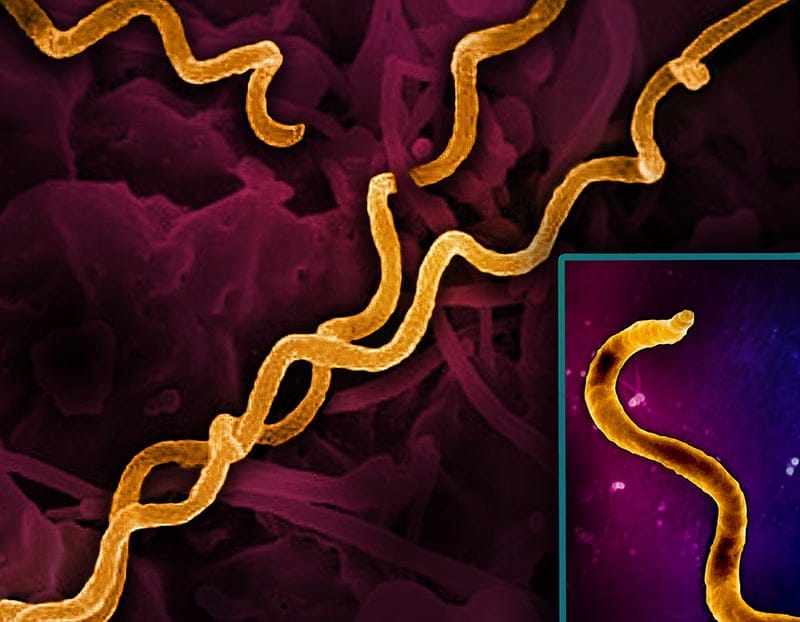
The molecular test simultaneously detects and differentiates four pathogens from a single lesion swab sample: Treponema pallidum, the bacterium that causes syphilis; herpes simplex virus types 1 and 2; and monkeypox virus. Results are available in about 15 minutes. Because these pathogens can cause visually similar lesions but require different treatments, a rapid, pathogen-specific result could help clinicians choose appropriate care during the same visit, according to a release from the National Institutes of Health (NIH).
“The authorization can provide information to clinicians and patients that may help inform care and have the potential to improve outcomes,” says John H. Powers III, MD, director of NIH’s National Institute of Allergy and Infectious Diseases (NIAID). “Appropriate care is first based on making the correct diagnosis to provide timely and valuable interventions to patients and aligns with NIAID’s research focus on improving diagnosis to promote effective treatments.”
Moving Beyond Serology
The test is the first point-of-care test for active syphilis to receive FDA authorization. Current syphilis diagnosis relies primarily on blood-based serological tests that detect antibodies to the infection. According to NIH, results can reflect past infections that were successfully treated and may be less sensitive during early infection.
NIH also notes that herpes simplex virus diagnosis relies on a laboratory Western blot test that is not returned within the time frame of a typical patient appointment.
The new panel instead uses molecular technology to detect the pathogen directly in lesion specimens, helping identify active infection when lesions are present and timely treatment is particularly important.
“Point-of-care testing leads to faster treatment in the same visit, thus reducing transmission and worsening illness,” says Bruce Tromberg, PhD, director of NIH’s National Institute of Biomedical Imaging and Bioengineering, in a release.
The need is growing. Syphilis cases in the US have increased substantially since 2000, reaching approximately 190,000 reported cases in 2024, according to data cited by NIH from the Centers for Disease Control and Prevention. Untreated syphilis can progress to serious complications affecting the brain, nervous system, and other organs, and infection during pregnancy can result in congenital abnormalities, stillbirth, or neonatal death.
Evaluation and Regulatory Pathway
The test was evaluated through NIH’s Rapid Acceleration of Diagnostics (RADx) Tech Independent Test Assessment Program, which supports validation and clinical evaluation of diagnostic tests to help speed FDA review. A 2024 cost-sharing agreement between NIH and Roche covered clinical data collection, and NIH invested approximately $3.7 million in the project.
The panel performed comparably to accepted diagnostic methods for each of three targets. However, no FDA-cleared or authorized molecular diagnostic test was available to serve as a comparator for detecting T pallidum in lesion specimens. To address that gap, NIH, FDA, Roche, and two independent laboratories established a regulatory approach for the clinical evidence supporting FDA’s review.
“By bringing distinct expertise to address a shared challenge, government, industry, and independent laboratories worked together to generate the clinical evidence needed to support FDA’s review,” says Michelle Tarver, MD, PhD, director of FDA’s Center for Devices and Radiological Health, in a release. “This point-of-care test brings care closer to the people who need it most.”
Intended Settings and Availability
The panel is intended for use in health clinics, primary care offices, emergency departments, urgent care clinics, and public health facilities. The test is expected to become available in the US in the coming months.
The authorization is limited in scope. Under the Federal Food, Drug, and Cosmetic Act, FDA can authorize certain unapproved medical products, or unapproved uses of approved products, when there is a public health emergency or a significant potential for one and statutory criteria are met. Emergency use authorization is not equivalent to FDA clearance or approval.
Photo caption: Electron micrograph imagery of Treponema pallidum, the bacteria that cause syphilis, including a foreground close-up of a single particle (right). Spiral-shaped bacteria are colorized in gold.
Photo credit: NIAID


