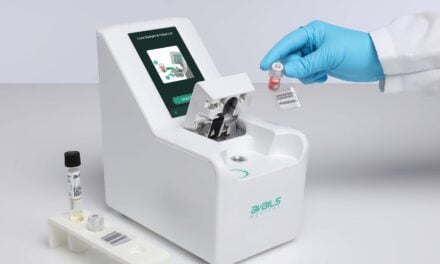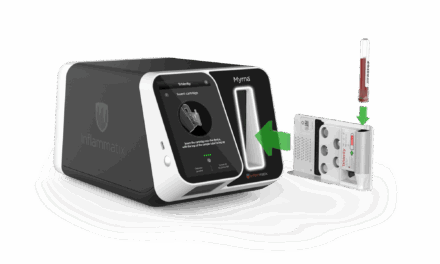

Research indicates that the Nu.Q NETs test predicts mortality and the need for renal replacement therapy in patients with sepsis.
VolitionRx Limited announced the publication of a peer-reviewed study in Critical Care Medicine validating its Nu.Q NETs H3.1 biomarker as an independent predictor of 28-day mortality and the need for renal replacement therapy (RRT) in patients with sepsis and septic shock.
The study found that H3.1 levels were significantly higher in patients with septic shock compared to those with sepsis. The results also showed a dose-response relationship between the biomarker and the severity of acute kidney injury, according to a company press release.
Clinical Utility in Risk Stratification
The findings suggest that the H3.1 biomarker has potential clinical utility for risk stratification and early intervention in critically ill patients.
“Our study establishes H3.1 nucleosomes as a biomarker delineating organ dysfunction in sepsis, particularly for early mortality and the need for RRT,” says Michael Bauer, chair of the department of anesthesiology and intensive care medicine at Jena University Hospital and co-author of the paper, in a release. “The clear stratification of risk and independence from conventional markers suggests clinical utility.”
Bauer notes that using the test in clinical practice could enhance sepsis management by allowing physicians more time to intervene and improve patient outcomes.
Understanding NETosis in Critical Illness
The Nu.Q NETs technology is a nucleosome quantification test designed to detect diseases associated with NETosis. While neutrophil extracellular traps (NETs) are part of the normal immune response, elevated levels can cause tissue damage, organ failure, and death.
“Nu.Q NETs, Volition’s nucleosome quantification technology, is a simple, low-cost, accessible test to detect diseases associated with NETosis,” says Andrew Retter, medical consultant at Volition, in a release. “These findings advance our understanding of nucleosome biology in critical illness and help inform future therapeutic strategies.”
An accompanying editorial in Critical Care Medicine concludes that the clinical value of H3.1 may lie in its ability to identify a biologically distinct subgroup of patients with NET-mediated organ injury, according to the press release.
Market Impact and Sepsis Burden
The company is currently in commercial discussions with diagnostic providers regarding licensing for the sepsis market.
“This paper, together with previously published evidence, demonstrates that Nu.Q NETs should enable clinicians and researchers to anticipate disease, guide treatment decisions, and monitor patients over time, across both acute and chronic conditions,” says Remi Rabeuf, vice president of corporate alliances and strategic partnership at Volition, in a release.
Sepsis remains a significant global health burden, with an estimated 166 million cases and 21.4 million deaths in 2021. Survivors often face long-term health issues, including a 33% mortality rate within one year and a 40% hospital readmission rate within 90 days of discharge, according to the press release.
ID 61439427 © Sudok1 | Dreamstime.com