What Clinical Lab Leaders Predict for 2026
AI, new diagnostics, and shifting care delivery models are among the clinical laboratory predictions for 2026.


AI, new diagnostics, and shifting care delivery models are among the clinical laboratory predictions for 2026.
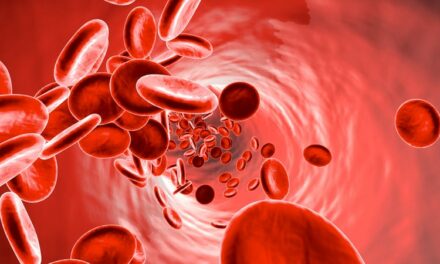
Researchers have demonstrated that a new technology, u-dHRM, can quickly and accurately diagnose bloodstream infections.





Better education and access to laboratory tests are needed to improve early diagnosis and treatment of congenital CMV.


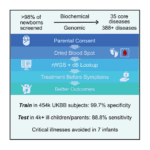

Genomenon announced a partnership with Rady Children’s Institute for Genomic Medicine to improve diagnosis & treatment decisions for newborns.
Read More
A wireless, bioelectronic pacifier could eliminate the need for invasive, twice-daily blood draws to monitor babies’ electrolytes in newborn intensive care units (NICUs)
Read More
Dried blood spot testing provides clinical labs an easy-to-collect, reliable, and cost-effective means to test for a variety of diseases.
Read More
The alliance aims to make Spinal Muscular Atrophy testing mandatory in European newborn screening programs by 2025.
Read More
The combined type 1 diabetes risk score approach incorporates genetics, clinical factors such as family history, and the count of islet autoantibodies.
Read More
OZ Systems has launched the first newborn screening suite designed specifically for hospitals, aiming to improve newborn patient safety and standard care.
Read More
The in vitro diagnostic kit is intended for the semiquantitative measurement and evaluation of acylcarnitine, amino acid, free carnitine lysophospholipid, nucleoside, and succinylacetone concentrations.
Read More