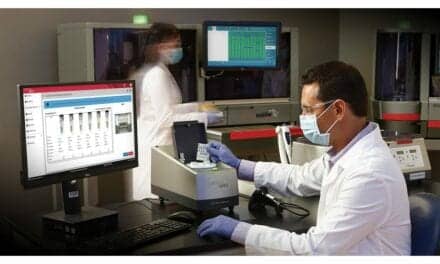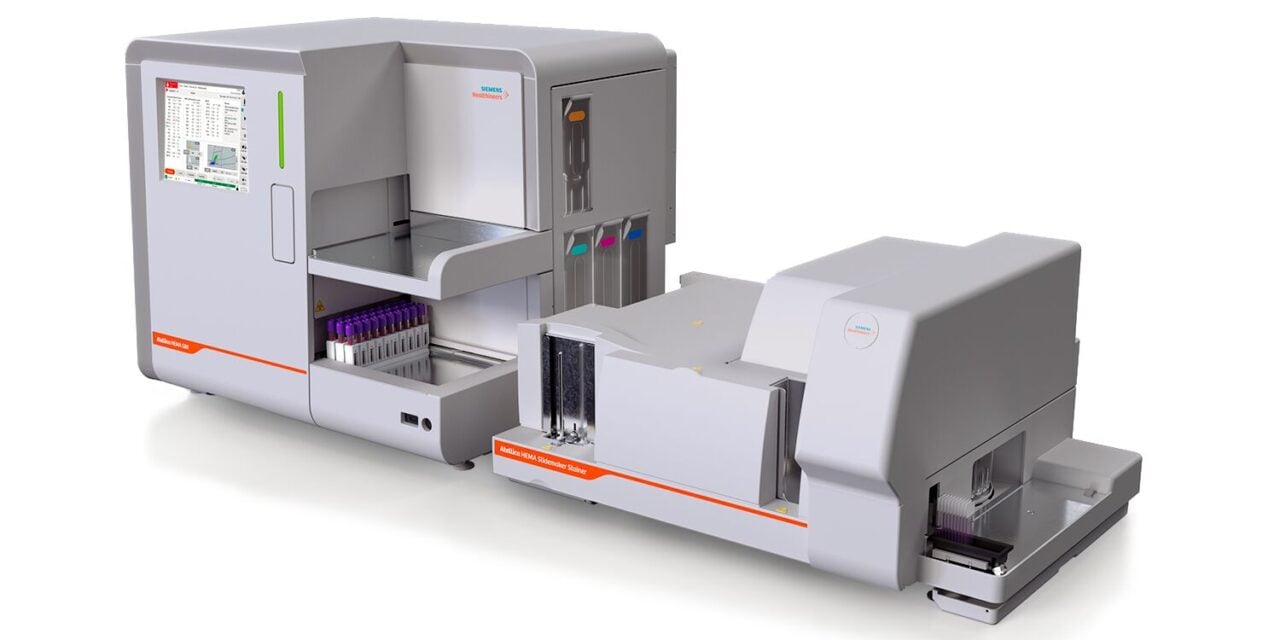
The Atellica HEMA 580 is designed for mid- to high-volume labs to automate testing workflows and reduce preanalytical variability.
Siemens Healthineers has introduced the Atellica HEMA 580 Analyzer to the US market, a system designed for mid- to high-volume laboratories to address workflow inefficiencies and staffing pressures.
According to a press release from Siemens Healthineers, nearly 500 million complete blood counts are performed annually, and the new analyzer aims to streamline the testing process to improve clinical decision-making. The system is intended to produce reliable results even in environments facing high volume and understaffing.
“Hematology testing acts as a clinical GPS, helping to inform early patient care decisions,” says Michele Zwickl, head of laboratory solutions for diagnostics at Siemens Healthineers North America, in a release. “Our sustainable, scalable solution helps busy labs avoid workflow bottlenecks.”
The analyzer uses proprietary 360-degree continuous sample mixing to keep samples in motion before analysis, which helps reduce preanalytical variability without requiring manual steps, according to the company. The system can produce results in 30 seconds, while advanced platelet and reticulocyte parameters are available within 60 seconds.
To support consistency across different staff experience levels, the Atellica HEMA 580 automatically releases normal results to the laboratory information system. Abnormal samples are held for review, and the system provides rule-based guidance to help staff follow approved laboratory protocols, according to the press release.
The technology also integrates with the Scopio X100 and Scopio X100HT imaging platforms, which provide high-resolution digital morphology for peripheral blood smears using artificial intelligence. Bi-directional connectivity with the Atellica Data Manager software allows for remote review of complete blood count results and differentials within a unified digital workspace.
“Upgrading to the Atellica HEMA 580 analyzer has transformed our workflow,” says Apostolia Barmpoudi, senior biomedical scientist at St James’ University Hospital, in a release. “Interfacing [the analyzers] with total lab automation gives us the flexibility we need, while the speed and consistent uptime keep our lab running at peak efficiency.”
The system also includes streamlined reagent management and reduced daily maintenance to support predictable costs and uptime, according to Siemens Healthineers. The analyzer can also be connected to multidisciplinary automation tracks to help laboratories scale operations as testing demands change.
Photo caption: Atellica HEMA 580 Analyzer
Photo credit: Siemens Healthineers