The patent-pending assay measures changes in red blood cell membrane rigidity to identify elevated bile acids, a potential early marker of liver disease.
Researchers at the University of Toledo developed a rapid blood screening method to detect elevated bile acids, an early marker of liver disease that is often omitted from routine diagnostic panels.
The method, which is currently patent-pending, aims to identify liver dysfunction before symptoms such as jaundice, fatigue, and abdominal discomfort appear. While standard blood panels typically measure cholesterol, blood glucose, and triglycerides, they do not routinely include bile acids, according to the researchers.
“Bile acids are a very neglected analyte in the clinics,” says Matam Vijay-Kumar, PhD, a professor of physiology and pharmacology at the University of Toledo College of Medicine and Life Sciences, in a release. “What we are proposing is that bile acids should be measured in clinics.”
The research, published in the American Journal of Physiology — Gastrointestinal and Liver Physiology, found that elevated bile acid exposure alters red blood cell membranes. While the research team initially expected the cells to become fragile, they found that the exposure causes membranes to accumulate more cholesterol and lose phospholipids. This shift makes the cells more rigid and resistant to osmotic stress.
In a study conducted at the University of Toledo Medical Center, blood samples from 23 cholestatic liver disease patients showed the same pattern of increased red blood cell toughness when compared to 23 healthy controls.
“It is a very striking result,” says Vijay-Kumar in a release. “We can identify people with high bile acids with 100 percent accuracy. When they do blood glucose, they can take another four microliters, put it into solution, wait ten or twenty minutes, and they will get the answer.”
The test could be especially important for monitoring pregnant women. Elevated bile acids can cause fetal damage, premature birth, or stillbirth if levels exceed 40 micromolar, according to the research.
The University of Toledo research team has filed a patent application for the diagnostic concept, titled “Rapid Screening for Elevated Bile Acids Using Whole Blood.”
Vijay-Kumar notes that elevated bile acids are often the first indicator of liver stress, appearing before other markers currently used by physicians. A positive result from this screening would indicate the need for additional evaluation, monitoring, or dietary changes while treatment may still be most effective.
“The majority of liver diseases are associated with elevated bile acids,” says Vijay-Kumar in a release. “This first-line screening is very critical.”
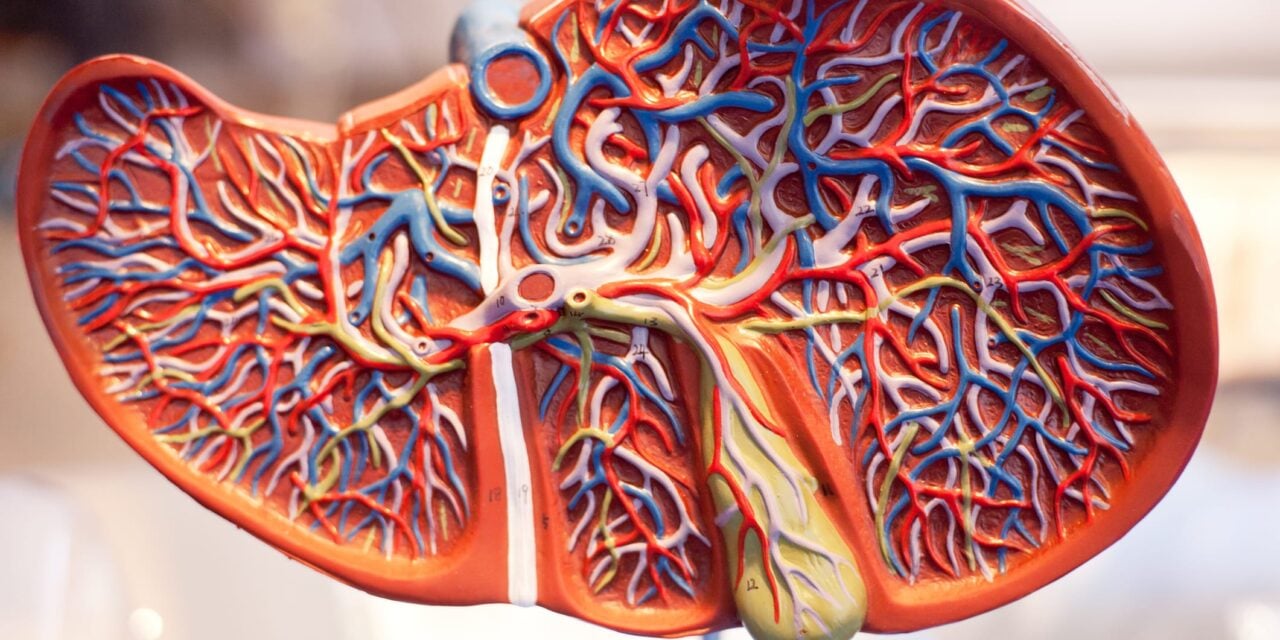
ID 30568806 © Pengyou93 | Dreamstime.com