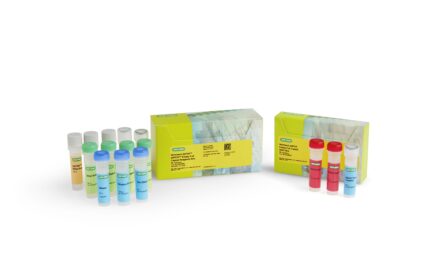
The CE-marked kit simultaneously screens for spinal muscular atrophy, severe combined immunodeficiency, and sickle cell disease.
TIB MOLBIOL, a subsidiary of Roche Diagnostics, has launched the LightMix Newborn TREC/SMN1/HBB kit, an in vitro diagnostic test for newborn screening in countries accepting the CE mark. The multiplex assay simultaneously screens for spinal muscular atrophy (SMA), severe combined immunodeficiency disease (SCID), and sickle cell disease.
The IVDR-approved test provides academic and private hospital laboratories with a ready-to-use solution designed to integrate into existing laboratory workflows. The kit runs on established LightCycler systems, functioning as a first-tier screening tool to trigger immediate confirmatory testing and clinical intervention.
“When a baby is born with a condition like SMA or SCID, every single day counts,” says Marcus Droege, CEO of TIB MOLBIOL, in a release. “Catching these diseases before symptoms appear isn’t just about early diagnosis; it’s the difference between a child thriving or facing severe, lifelong disability. By expanding our compliant newborn screening tools across Europe, we are helping laboratories transition to high-precision solutions that ensure no critical diagnosis is delayed.”
Targeting Actionable Inherited Disorders
Detecting these genetic conditions shortly after birth provides clinicians with actionable diagnostic data, enabling therapeutic intervention before irreversible physiological damage occurs.
SMA is a neuromuscular disorder characterized by progressive degeneration of motor nerve cells in the spinal cord, leading to severe muscle weakness. The condition is caused by homozygous deletions in exon 7 of the survival motor neuron 1 (SMN1) gene. Early identification allows clinicians to start targeted therapies before symptoms appear, which can halt nerve damage, prevent permanent disability, and support typical developmental milestones.
SCID comprises a group of rare, life-threatening genetic disorders marked by an absence of functioning T cells, leaving affected infants with virtually no functional immune system. Without prompt diagnosis and medical intervention, SCID is typically fatal within the first one to two years of life. Screening at birth allows for curative procedures, including bone marrow transplants, before patients contract life-threatening infections.
Sickle cell disease is an inherited red blood cell disorder caused by a genetic mutation in the HBB gene. The abnormal hemoglobin causes erythrocytes to become rigid and sickle-shaped, leading to premature red blood cell breakdown and vascular occlusion. Early detection through newborn screening enables timely clinical protocols, such as prophylactic penicillin and specialized immunizations, significantly reducing the risks of acute splenic failure, severe infections, and early childhood mortality.