Blood Test Using 10 Biomarkers May Help Predict Chronic Disease Risk
Researchers developed a simplified metabolic health score using routine blood markers to identify people at greater risk of developing cardiometabolic disease.


Researchers developed a simplified metabolic health score using routine blood markers to identify people at greater risk of developing cardiometabolic disease.

A simplified test of HDL's ability to remove cholesterol was associated with high-risk coronary plaques in a study of 61 patients.







Study of more than 13,000 individuals demonstrates improved precision for emergency department triage and patient outcomes.







Abbott’s Alere NT-proBNP assay for Alinity i is a new tool for heart failure diagnosis, providing accurate results and improved efficiency.
Read More
Cardio Diagnostics Holdings announced that the CMS finalized gapfill pricing determinations for its AI-powered cardiovascular disease tests.
Read More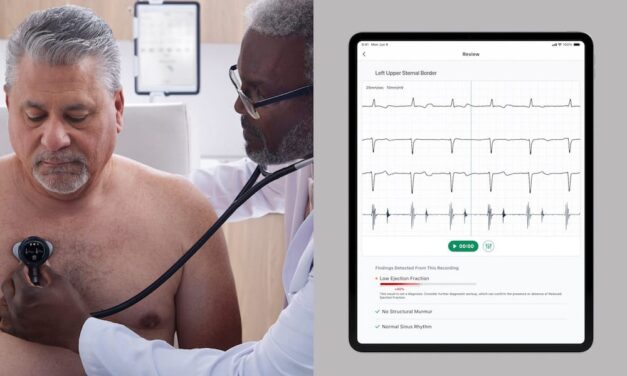
Eko Health’s AI-powered SENSORA platform has received a Category III CPT code, paving the way for improved heart disease detection.
Read More
Researchers identified 27 protein biomarkers in blood serum that can predict cardiomyopathy risk in pediatric cancer survivors.
Read More
The biomarker could enable prenatal detection of single ventricle heart disease through a maternal blood test for earlier diagnosis.
Read More
Prolocor detailed positive results from a trial confirming its pFCG test predicts the risk of thrombotic events in ACS patients.
Read More
AMPEL BioSolutions’ new CardioGENE blood test predicts heart disease by identifying genetic markers and inflammatory pathways.
Read More
A new blood test can diagnose heart attacks in just 5-7 minutes, with potential applications for both clinical settings and at-home use.
Read More
The Atellica IM Troponin I test received clearance for predicting cardiac events after initial symptoms of acute coronary syndrome.
Read More
Researchers developed a gene mutation test that predicts the severity of Long QT syndrome, helping assess the risk of sudden cardiac death.
Read More
A study found that elevated blood levels of LDL cholesterol, Lp(a), and CRP significantly increase long-term cardiovascular risk.
Read More
A new review finds that 20% of the global population carries a genetic risk for cardiovascular diseases due to high levels of lipoprotein(a).
Read More
ADLM released guidelines to standardize lipid testing, aiming to improve the effectiveness of cardiovascular disease risk assessment.
Read More
Researchers developed a POC electrochemical biosensor prototype designed to provide at-home screening capabilities for heart failure.
Read More
A study reveals that lipid panels may not fully capture the risk of cholesterol-related heart disease, highlighting a need for apoB testing.
Read More