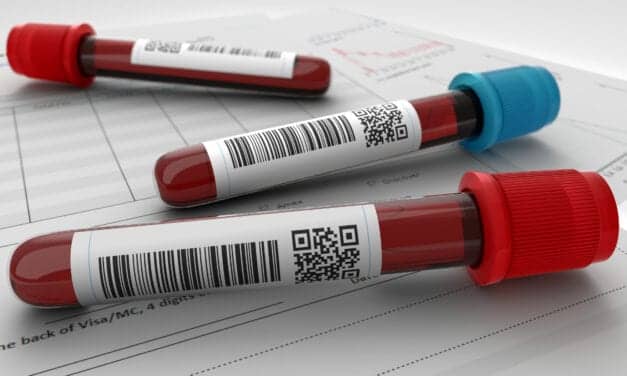
Alternative Blood Test More Effective for Guiding Heart Disease Treatment
Research indicates that apolipoprotein B testing outperforms standard LDL cholesterol tests in predicting risk and guiding therapy.
Researchers have successfully adapted high-field NMR-based lipoprotein analysis to cost-effective benchtop NMR systems.
Prolocor detailed positive results from a trial confirming its pFCG test predicts the risk of thrombotic events in ACS patients.
ADLM released guidelines to standardize lipid testing, aiming to improve the effectiveness of cardiovascular disease risk assessment.
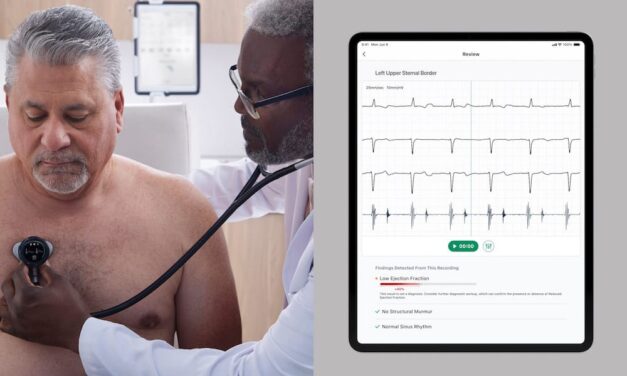
Read MoreResearchers developed a POC electrochemical biosensor prototype designed to provide at-home screening capabilities for heart failure.
Read MoreA study reveals that lipid panels may not fully capture the risk of cholesterol-related heart disease, highlighting a need for apoB testing.
Read MorePrevencio received a patent for its AI-powered blood test which accurately assesses the risk of obstructive coronary artery disease.
Read MoreResearchers developed a machine learning method that utilizes deep learning and video microscopy to automate the analysis of heart dynamics.
Read MoreSiemens Healthineers introduced the NT-proBNPII assay to its Atellica Solution, enhancing rapid diagnostic capabilities for heart failure.
Read MoreRoche announced that its Tina-quant lipoprotein Lp(a) RxDx assay received Breakthrough Device Designation from the FDA.
Read MoreResearchers developed a genetic testing procedure that can identify patients at high risk for cardiovascular diseases.
Read MoreAnalytics for Life and CorVista Health announced U.S. FDA clearance of the CorVista System with Pulmonary Hypertension (PH) Add-On Module
Read MoreThe new high-sensitivity troponin assay is designed for use on the the PATHFAST Biomarker Analyzer from Polymedco.
Read MoreBodyport says its biomarker-based technology for remote heart failure monitoring detected twice as many heart failure events.
Read MoreThe measurement of six blood biomarkers improved the ability of researchers to predict a future increase in arterial inflammation.Â
Read MoreCombining the results of a standard blood test and an online tool can help identify those who are at risk of having a heart attack.
Read MoreResearchers extracted data on 321 biomarkers and found 13 were significantly associated with cardiovascular risk in type 2 diabetes patients.
Read MoreThe biomarkers may help more quickly predict cardiomyopathy in high-risk, asymptomatic childhood cancer survivors.Â
Read More