Nova Biomedical Corrects Glucose Meters Over Risk of Misassigned Patient Results
Screen retention errors can misassign patient glucose results in electronic records, leading to one reported injury and a planned software update.


Screen retention errors can misassign patient glucose results in electronic records, leading to one reported injury and a planned software update.

Century Health and GI Partners of Illinois have partnered to create a real-world data ecosystem for IBD and MASH, leveraging AI to extract clinical insights from lab data, pathology reports, and imaging to support research and pharmaceutical innovation.





Hepta’s blood test identified treatment-eligible MASH patients more accurately than current non-invasive methods in a 528-patient study, according to data presented at the EASL 2026 Congress.





HistoIndex and Houston Research Institute have partnered to offer AI-driven pathology analysis for metabolic dysfunction-associated steatohepatitis across four HRI centers in Texas, expanding advanced diagnostic services for liver disease.
Read More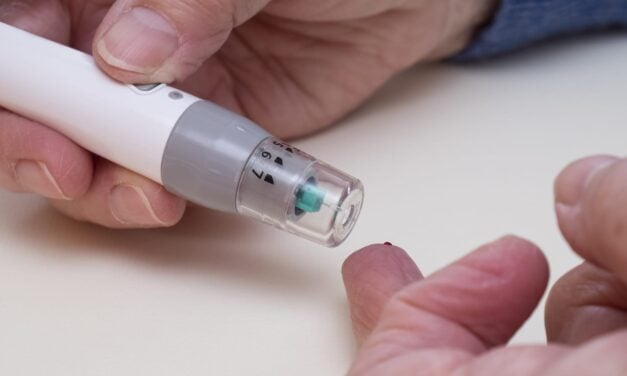
A 44-metabolite blood test signature identified by Mass General Brigham and Einstein researchers improved type 2 diabetes risk prediction in a study of over 23,000 participants, according to Nature Medicine.
Read More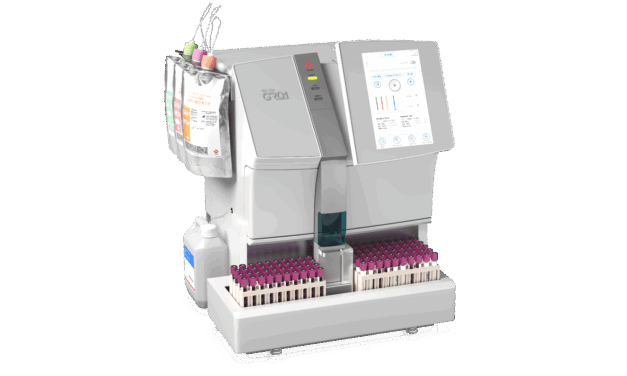
The automated system uses ion exchange HPLC technology to deliver A1c results while detecting common hemoglobin variants.
Read More
Initiative includes IVD assay development and lab-developed test expansion for early-stage disease screening.
Read More
It’s essential to integrate point-of-care testing devices cautiously alongside traditional laboratory tests to ensure robust diabetes management.
Read More
Two studies demonstrate how AI models can significantly improve early detection of type 1 diabetes, enabling earlier intervention.
Read More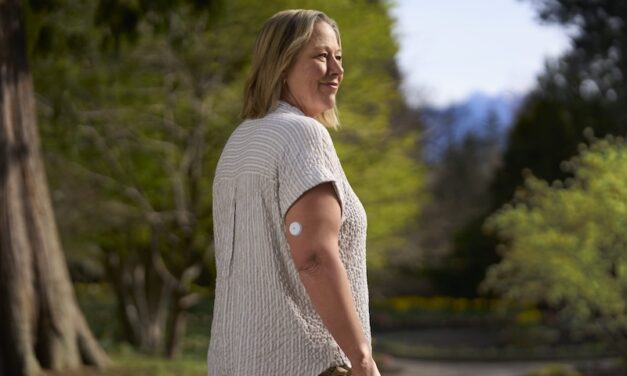
The FreeStyle Libre continuous glucose monitoring system significantly reduces hospitalizations for cardiovascular complications.
Read More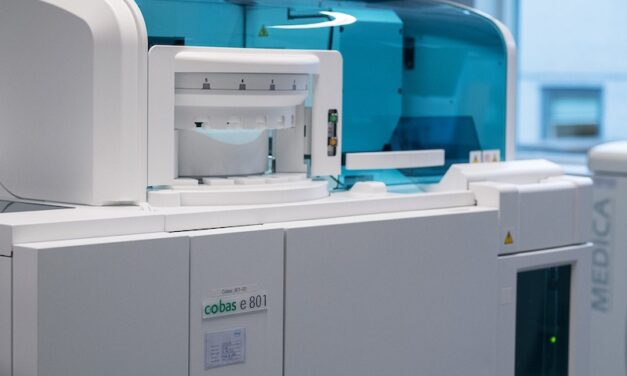
Nordic Bioscience’s PRO-C3 test, now launched globally by Roche Diagnostics on cobas analyzers, offers a way to assess liver fibrosis.
Read More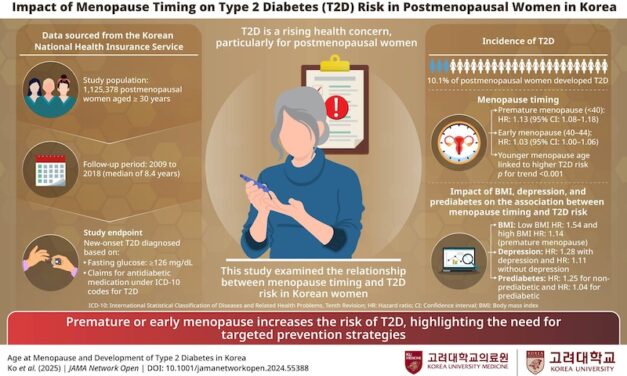
A study highlights that premature menopause significantly increases the risk of Type 2 diabetes, emphasizing the need for early detection.
Read More
A study found that faster blood processing could double the detection of gestational diabetes, reducing complications for mothers and babies.
Read More
Researchers have identified two types of metabolic-associated fatty liver disease (MASLD), offering insights for improved diagnosis.
Read More
Beyond Type 1 has launched “A Beginner’s Guide to Thriving with Diabetes” as part of their new Beyond Diagnosis program.
Read More
An AI-powered video system could detect high blood pressure and diabetes without the need for blood tests, cuffs, or wearable devices.
Read More
The blood test uses lipid analysis to identify warning signs of metabolic diseases like diabetes, liver, and heart disease in children.
Read More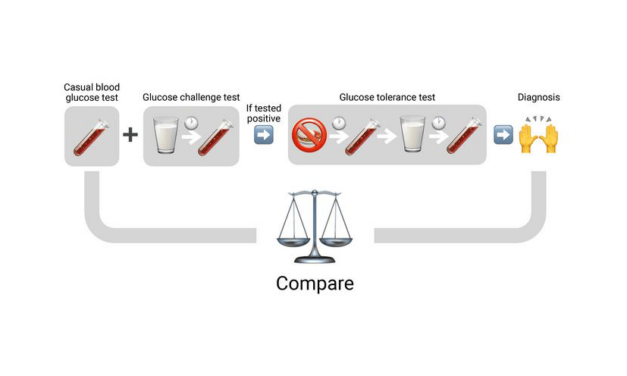
A new study encourages the use of more reliable tests to prevent pregnancy complications and the development of type II diabetes.
Read More