Sepsis Diagnostic Test Shapes ED Physician Decision-Making, Study Finds
A multicenter, vignette-based study found that adding a rapid sepsis test result to standard clinical data changed or reinforced diagnostic decisions in 86% of cases.


A multicenter, vignette-based study found that adding a rapid sepsis test result to standard clinical data changed or reinforced diagnostic decisions in 86% of cases.
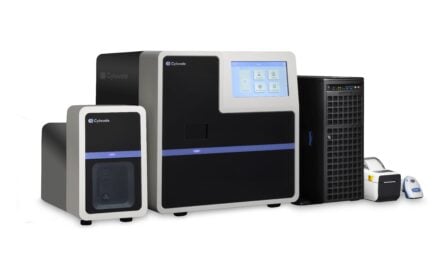
A multicenter study found that early sepsis risk testing at triage led to more ED discharges and lower inpatient bed use without compromising patient safety.






The MeMed Severity test is a host-response technology using AI tech to predict the risk of severe outcomes in patients with suspected sepsis.





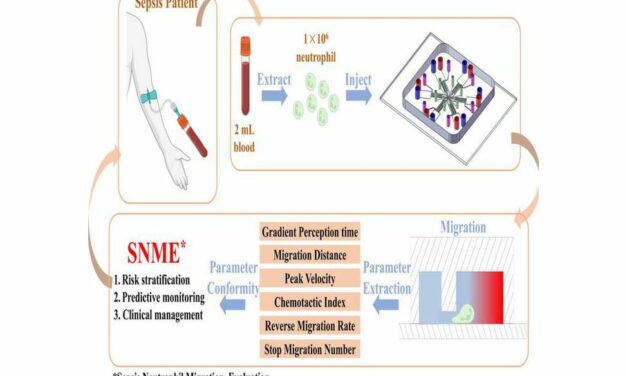
A microfluidic chip-based method assesses sepsis severity by analyzing immune cell migration: a new approach to diagnosis and prognosis.
Read More
Abionic’s IVD CAPSULE PSP test gained FDA 510(k) clearance to rapidly detect sepsis, marking the company’s expansion into the U.S. market.
Read More
The Froedtert & Medical College of Wisconsin will screen patients in their network with the IntelliSep test for early sepsis detection.
Read More
Advances in AI and data science highlight innovative machine learning models that predict patient outcomes in multiple myeloma and sepsis.
Read More
Cytovale’s IntelliSep test helped support the sepsis management program for Our Lady of the Lake Regional Medical Center.
Read More
AI-based antimicrobial susceptibility test method promises rapid prediction of antimicrobial resistance using blood of sepsis patients.
Read More
A new study reveals that the nasal microbiota of ICU patients is more effective than gut microbiota in distinguishing sepsis from non-sepsis.
Read More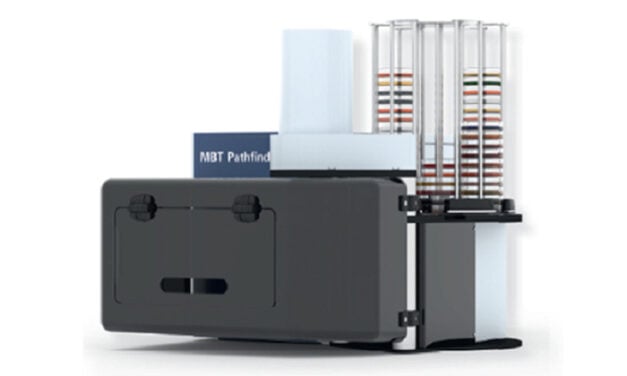
Bruker enhanced diagnostic solutions in microbial identification, antimicrobial susceptibility testing, early sepsis diagnostics, and more.
Read More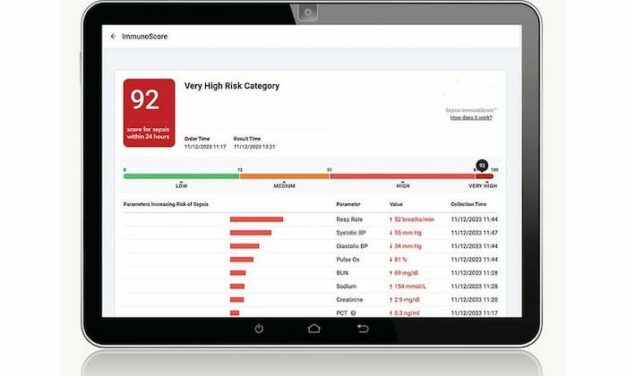
The Sepsis ImmunoScore is an AI/machine learning software as a medical device to guide rapid diagnosis and prediction of sepsis.
Read More
Find out how Cytovale’s IntelliSep test reduced cost of care and improved the efficiency of sepsis care for a large U.S. academic center.
Read More
This method is faster than blood cultures and is less likely to generate false positives compared to other DNA detection-based technologies.
Read More
Doctors from Norway received test results two days earlier than before when they tested a new way to analyze blood for suspected sepsis.
Read More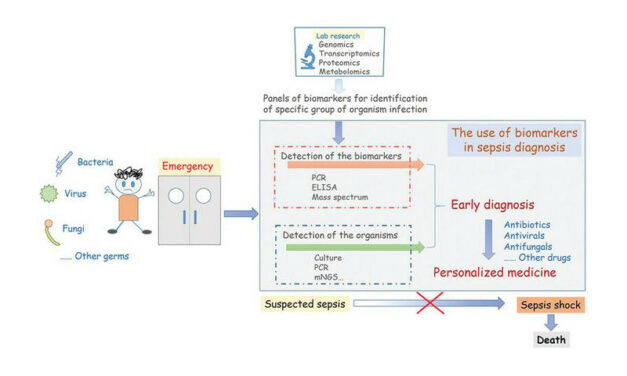
A recent review of advances in pediatric sepsis biomarkers provides an overview of research advancements across various omics levels.
Read More
Researchers harnessed artificial intelligence to analyze data from over 3.5 million children suffering from sepsis.
Read More
The Symphony System is designed to address the need for simple, reliable, rapid, near-patient sepsis testing.
Read More