Vanta Diagnostics reports efficiency gains of up to 72% and capacity for more than 300 additional samples per day after deploying automated document processing.
Vanta Diagnostics has deployed an artificial intelligence (AI)-assisted document processing platform in its laboratory accessioning workflow, resulting in efficiency gains of up to 72%, a 40% reduction in accessioning errors, and capacity for more than 300 additional samples per day, according to a press release from Onymos.
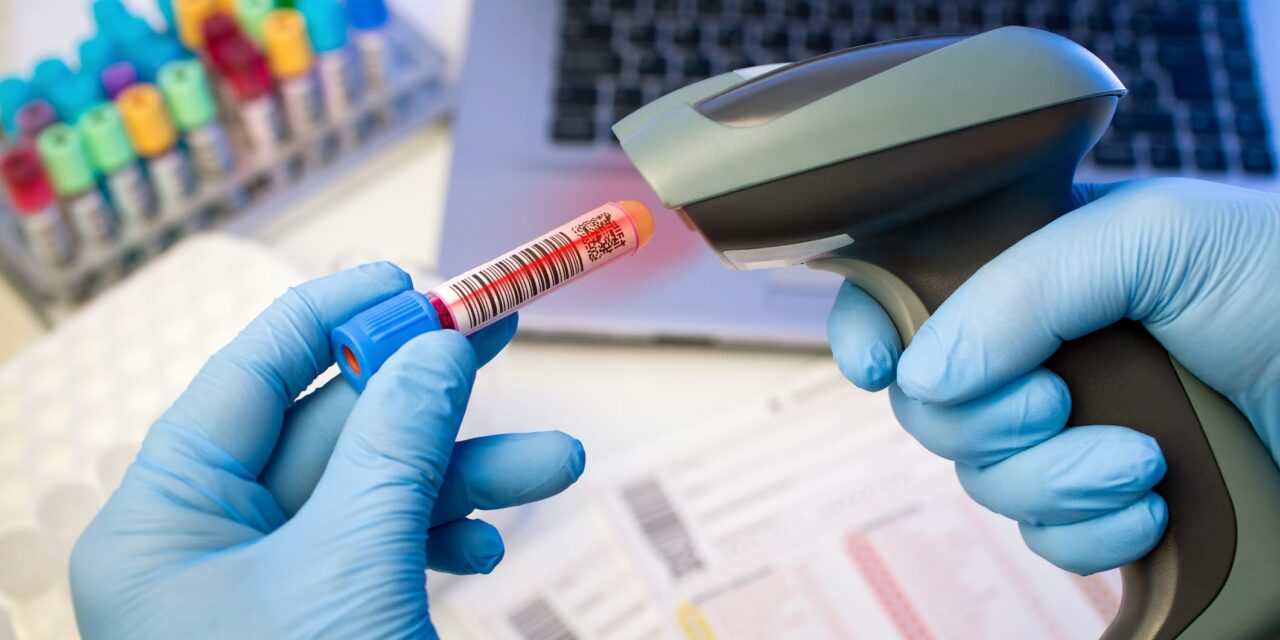
The molecular laboratory provider implemented the Onymos DocKnow platform to process incoming laboratory requisitions and supporting clinical documents. The software interprets and validates information across multiple sources and converts it into structured data that can be shared with downstream laboratory systems, according to the release.
The companies say the technology is designed to address a common bottleneck in laboratory intake, where errors in requisitions and other documentation can contribute to testing delays, billing issues, compliance risks, and rework.
Following implementation, Vanta reported that requisition processing times fell to as little as one minute. The laboratory also increased capacity by more than 300 samples per day—approximately 6,500 per month—while using fewer laboratory personnel, according to the release.
“As we were initially evaluating Onymos DocKnow, we saw an opportunity to improve far more than the speed of document processing,” says Mary Katherine DiFilippo, director of specimen analytics at Vanta Diagnostics, in a release. “We recognized that by improving the quality of information and how our staff actually processes that information, we could create a much bigger impact.”
The operational changes were realized within one quarter of implementation, according to the companies.
“Our mission is to provide rapid results to patients using the most advanced diagnostics,” says Dan Nodes, chief operating officer of Vanta Diagnostics, in a release. “Achieving that requires continuous innovation not only in the tests we perform, but in the operational systems that support them. As we continue to grow, investing in intelligent intake helps ensure our operations can scale alongside our science.”
Company leaders noted that automating intake data verification also addresses financial and reimbursement performance by preventing upstream clerical mistakes.
“Measurable ROI with AI, not AI for AI’s sake, will define the next generation of precision medicine,” says Shiva Nathan, founder and CEO of Onymos, in a release. “In just one quarter, our work with Vanta Diagnostics showed that intelligent intake can not only help laboratories scale, but also unlock improvements in quality, compliance, and turnaround time that were once considered difficult to achieve all at once. Together, we are proving that intake can be a source of competitive advantage.”
The quality of intake data directly influences billing outcomes across the laboratory sector, according to the release.
“The financial health of a laboratory depends on the quality of the information entering it,” says Tony Mancuso, director of business development at Onymos, in a release. “Organizations that view intelligent intake as a strategic investment in data quality are better positioned to reduce preventable denials and ultimately drive more revenue.”
ID 41808534 © Angellodeco | Dreamstime.com