Inside Track: Help Wanted
The biennial ASCP vacancy survey has captured a profession in transition.
Read More

The biennial ASCP vacancy survey has captured a profession in transition.
Read MoreAccording to FDA, there’s never been a safer time in history for transfusions.
Read More
Reasons for the blood supply’s safe levels include advances in donor screening, improved testing, automated data systems, and changes in transfusion medicine practices.
Read More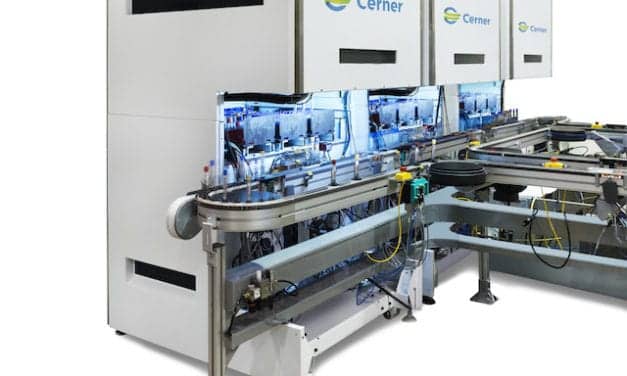
This month’s Product Spotlight features laboratory automation products, including a benchtop refrigerator from Phononic, a data management system from Siemens Healthcare Diagnostics, and an open-automation system from Cerner.
Read MoreMaking the changes necessary to improve diagnostic processes will require a significant commitment of time and talent from professionals in the field.
Read More