The blood test demonstrated a four-fold increase in cancer detection rates and substantial reduction in stage IV cancer diagnoses in 142,000 participants.
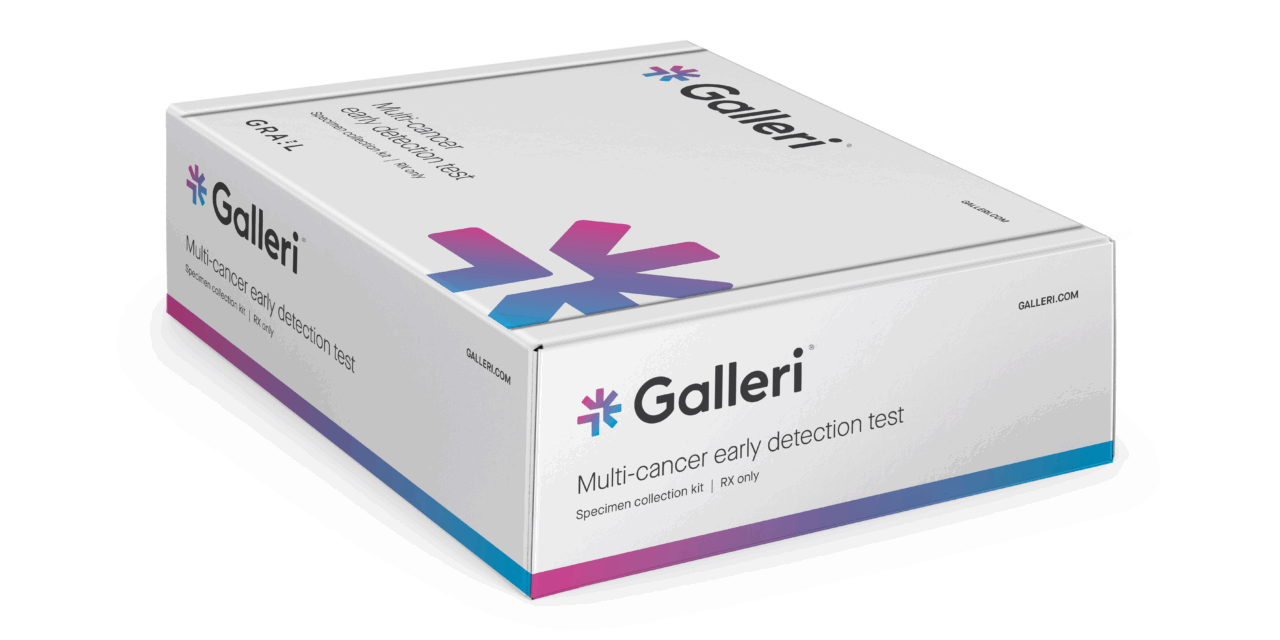
A landmark three-year trial conducted by England’s National Health Service (NHS) has demonstrated that the Galleri multi-cancer early detection blood test significantly reduced late-stage cancer diagnoses while increasing early-stage detection rates in a population of 142,000 participants aged 50 to 77.
The NHS-Galleri trial, a prospective, randomized, controlled study, showed a substantial reduction in stage IV cancer diagnoses and increased detection of stage I and II cancers. The test demonstrated a four-fold higher cancer detection rate compared to standard screening methods alone.
While the trial’s primary endpoint of statistically significant combined stage III-IV reduction was not met, researchers observed favorable trends over time that suggest stronger effects may emerge with longer follow-up periods.
“The NHS-Galleri trial provides the strongest evidence to date that multi-cancer early detection can shift the stage at which cancers are detected at a population level,” says Bob Ragusa, chief executive officer at GRAIL, the company that developed the Galleri test, in a release.
Clinical Impact on Patient Outcomes
The results have implications for patient treatment and survival. When cancer is detected before distant metastatic spread occurs, clinicians can often pursue curative treatments combining surgery, radiotherapy, and systemic therapy.
“As an oncologist, I see how profound the difference is between stage III and stage IV disease,” says Professor Charles Swanton, thoracic medical oncologist at University College Hospital, London, and one of the trial’s chief investigators, in a release. “When cancer is detected before distant metastatic spread, we can often treat with curative intent. Once distant metastases are established, treatment typically shifts toward long-term disease control and symptom management; durable cures become uncommon in most solid tumors.”
The trial focused on 12 cancer types that represent approximately two-thirds of cancer deaths in England and the US, including lung, colorectal, pancreatic, ovarian, liver, and esophageal cancers.
Test Performance and Safety Profile
The Galleri test maintained consistent performance metrics throughout the trial, with positive predictive value, specificity, and Cancer Signal of Origin accuracy matching ranges previously reported in North American studies. The test can detect more than 50 types of cancer through a simple blood draw and provides information about where in the body the cancer signal originates.
No serious safety concerns were reported among participants who received the Galleri test during the three-year study period. The test showed improved diagnostic resolution times as physicians gained experience with the technology and follow-up procedures.
Regulatory and Commercial Implications
Based on the trial results and data from the separate PATHFINDER 2 study, GRAIL announced plans to expand its US field-based sales and medical teams. The company currently has a premarket approval application pending review by the US Food and Drug Administration.
The trial data will inform England’s decision about implementing a national multi-cancer screening program. Additional analyses are underway, with detailed results planned for presentation at the American Society of Clinical Oncology 2026 Annual Meeting.
“The reduction in stage IV cancer diagnoses is an exciting and critically important outcome, which we believe can lead to more effective intervention for patients, particularly given the substantial and growing arsenal of effective treatments for many stage III cancers,” says Sir Harpal Kumar, chief scientific officer and president, International at GRAIL, in a release.
GRAIL plans to extend the trial’s follow-up period by 6-12 months to capture longer-term effects as the data matures. The company noted that both US and NHS data show diagnostic resolution times improve as healthcare providers gain experience with multi-cancer screening protocols.
Photo caption: Galleri test
Photo credit: GRAIL