New research shows that RNA sequencing of blood samples can monitor immune responses and help tailor treatment for high-risk patients.
Researchers at the Vanderbilt-Ingram Cancer Center have identified that repeated blood sampling, or liquid biopsy, can predict the antitumor immune response to therapy in patients with high-risk breast cancer.
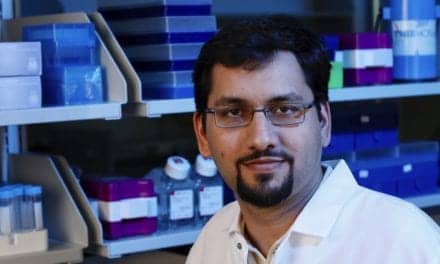
The study, published in Science Translational Medicine, suggests that this minimally invasive approach provides “an accessible tool for tailoring treatment strategies in breast cancer,” says Justin Balko, PhD, PharmD, professor of medicine and pathology, microbiology and immunology at Vanderbilt Health, in a release.
The research team performed RNA sequencing on 546 peripheral blood samples from 160 patients with stages 2 or 3 breast cancers that were negative for human epidermal growth factor receptor 2 (HER2). These patients were receiving treatment with chemotherapy alone or a combination of chemotherapy and immunotherapy.
Tracking T Cell Activation
Balko and colleagues analyzed the transcriptome, specifically the transcription of genes involved in the activation and expansion of antitumor immune cells known as T cells. The findings indicated that these molecular profiles could predict how a patient would respond to the immunotherapy drug pembrolizumab.
While cell-free DNA testing is already used for therapeutic monitoring in various malignancies, this research focused on gene transcription to track evolving immune responses. The study utilized samples from the nationwide I-SPY2 clinical trial, which evaluates treatment strategies based on specific biomarker signatures. Vanderbilt Health is one of 42 trial locations involved in the study.
Potential for Precision Oncology
The researchers concluded that this liquid biopsy method could potentially guide decision-making for immunotherapy and help tailor treatment regimens for various solid tumors.
“While validation is needed, this new liquid biopsy has the potential to guide immunotherapy decision-making, tailor treatment regimens, and advance precision oncology, not only in [breast cancer] but potentially in other solid tumors as well,” says Balko, professor of medicine and pathology, microbiology, and immunology at Vanderbilt Health, in a release.
The study received support from several organizations, including the National Institutes of Health, the Department of Defense, and the Breast Cancer Research Foundation. Researchers noted that further validation is required before the tool can be implemented in routine clinical practice for breast cancer patients.
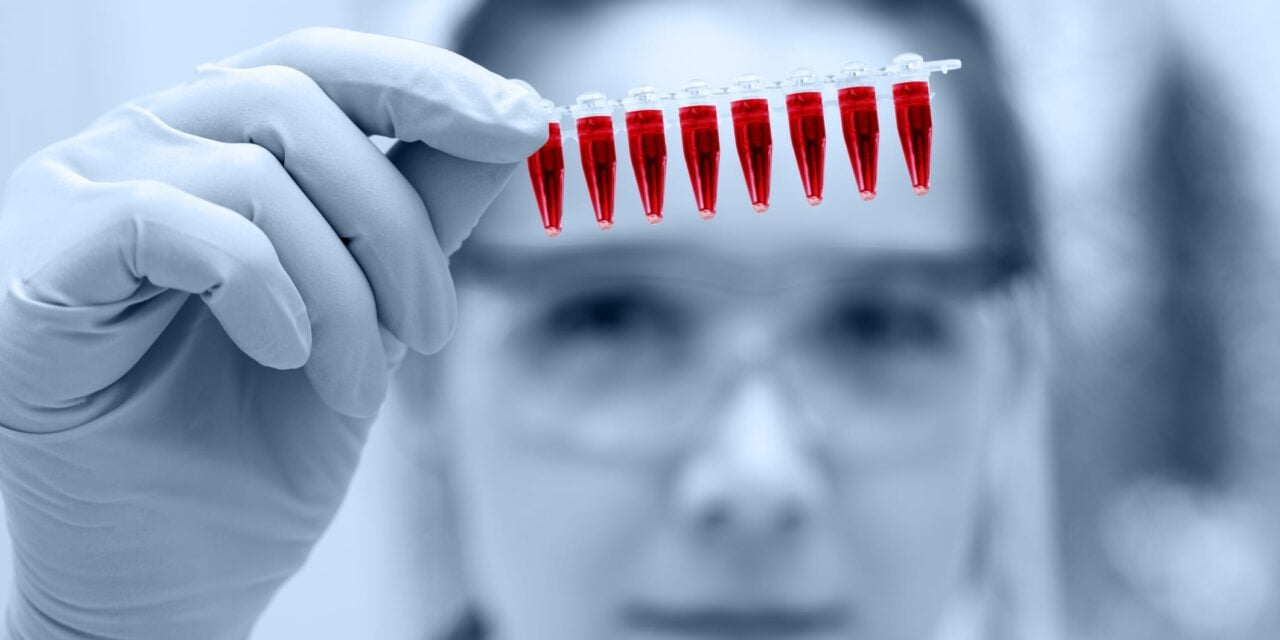
ID 19047845 © Luchschen | Dreamstime.com