FDA Clears Point-of-Care Vaginitis PCR Panel with CLIA Waiver
The 20-minute multiplex test delivers eight results covering bacterial vaginosis, Candida species, and trichomoniasis from clinician- or self-collected swabs.


The 20-minute multiplex test delivers eight results covering bacterial vaginosis, Candida species, and trichomoniasis from clinician- or self-collected swabs.

UNC and Tulane researchers have developed a CRISPR-based microfluidic assay that identifies 15 nontuberculous mycobacteria species directly from clinical specimens in 3.5 hours, with over 97% sensitivity, according to a recent study.





Cerenome has launched two CSF-based molecular profiling tests for CNS cancers, offering DNA and RNA sequencing panels to evaluate primary, metastatic, and hematologic malignancies in the central nervous system.







The FDA has cleared Qiagen’s QIAstat-Dx BCID GN Plus AMR Panel, enabling U.S. labs to detect 13 gram-negative bacterial pathogens and 18 resistance markers in about one hour on the QIAstat-Dx system.
Read More
University of Florida researchers have developed a portable diagnostic device that detects and differentiates seven mosquito-borne viruses in under an hour, offering rapid results without the need for traditional lab equipment.
Read More
Garvan Institute researchers have developed a long-read nanopore DNA test that screens over 300 genes, diagnosing inherited muscle diseases in cases missed by standard testing.
Read More
An FDA advisory panel voted 7-2 that the benefits of GRAIL’s Galleri multi-cancer early detection blood test outweigh its risks for adults 50 and older, supporting its premarket approval application.
Read More
OGT has expanded its SureSeq Universal NGS Unique Dual Index portfolio, enabling up to 384 uniquely indexed samples per run on Illumina platforms, quadrupling previous capacity and supporting higher-throughput workflows, according to the company.
Read More
A Columbia University study finds that combining plasma p-tau217 blood tests with APOE4 genotyping can predict Alzheimer’s symptom onset within three to four years in high-risk, asymptomatic individuals.
Read More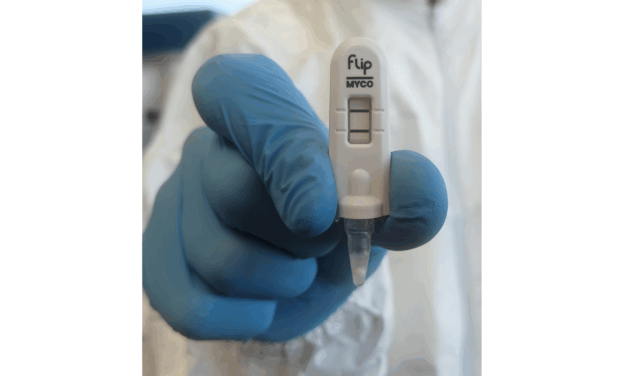
Fuse Diagnostics has raised £1 million to commercialize its instrument-free Flip molecular testing platform and expand manufacturing in Cambridge, UK, according to a company press release.
Read More
MolDX has proposed a draft Local Coverage Determination to establish Medicare coverage criteria for optical genome mapping in hematologic neoplasms, with public comment open through Oct. 11, 2026, according to Bionano Laboratories.
Read More
Helix has introduced Whole Exome+ Sequencing, a single-order assay that combines exome, mitochondrial, and digital karyotype analysis, with 99% coverage of clinically relevant regions.
Read More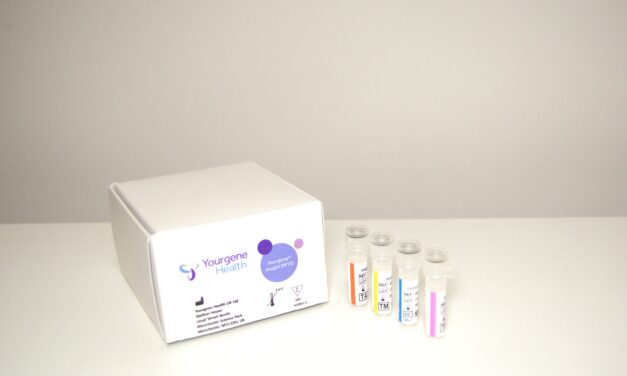
Yourgene Health has launched its IVDR-certified DPYD assay in Europe, enabling detection of 19 DPYD gene variants to help clinical labs identify cancer patients at risk of severe toxicity from fluoropyrimidine chemotherapy.
Read More
Anitoa Systems has added cloud connectivity and enterprise-grade security to its portable qPCR instruments, enabling remote management, centralized data collection, and real-time biosurveillance, according to the company.
Read More
Invivoscribe has begun shipping its PrepQuant System in North America, an automated platform designed to streamline nucleic acid extraction, concentration, and quantification for MRD testing workflows.
Read More
A Vanderbilt study finds that standard genetic tests for lamotrigine reaction risk omit HLA-A*32:01, a marker linked to severe DRESS, raising concerns about current pharmacogenomic panel effectiveness.
Read More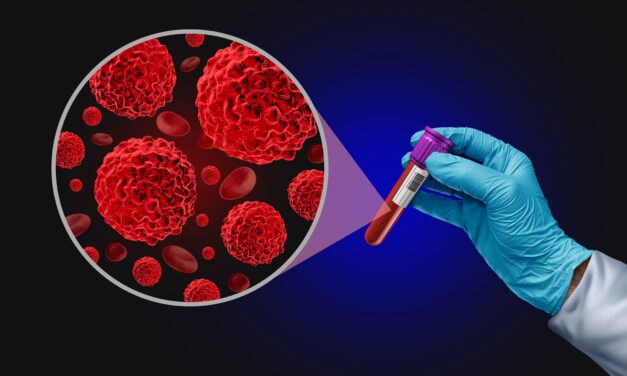
BillionToOne has launched Northstar Origin, a liquid biopsy add-on that predicts cancer tissue of origin from cell-free DNA, and expands its genomic profiling panel to 102 genes.
Read More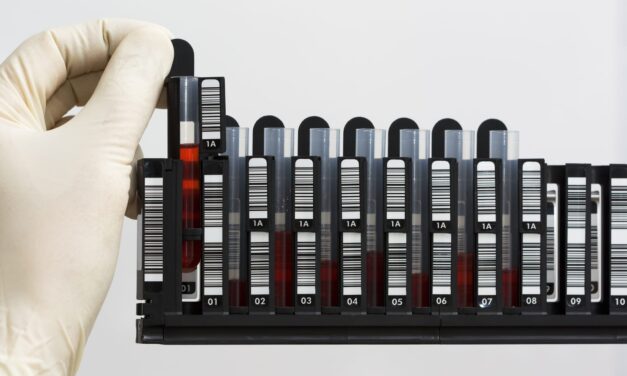
QIAGEN has launched QIAsymphony Connect, an IVD-compliant platform for automated nucleic acid extraction, supporting up to 96 samples per run and compatible with existing QIAsymphony reagents and consumables.
Read More