Illumina Partners Advance Cancer Research with Multiomics Technologies
Studies demonstrate spatial transcriptomics, 5-base sequencing, and proteomics applications in oncology diagnostics and therapeutic development.
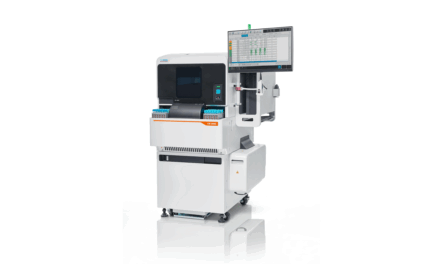
The BD BACTEC FXI Culture System has received CE marking under EU IVDR, offering automated blood culture diagnostics with a reported 15% faster pathogen detection than previous models, according to clinical study data.
The partnership with Zipline aims to reduce turnaround times for results by transporting samples between hospitals and laboratories.
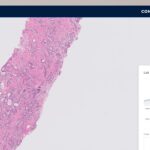
The regional laboratory will use the Concentriq platform to expand diagnostic services and streamline clinical workflows across its network.
The assay predicts both locoregional recurrence risk and radiation therapy benefit in early-stage invasive breast cancer.
The agreement aims to increase the availability of therapeutic drug monitoring tests for psychiatry and oncology patients using existing laboratory equipment.
The ViaPlex 2-Color Cell Barcoding Kit uses two reactive fluorescent dyes to combine up to 15 distinct cell populations in one tube, reducing reagent use and run time.
The test allows for simultaneous detection of multiple viruses on a sample-to-answer platform designed for immunocompromised patients.
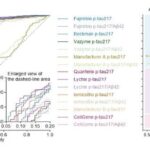
The study will analyze three key proteins to determine if blood-based biomarkers can provide an earlier and more accessible diagnostic method.
The collaboration focuses on creating sensitive assays for a common genetic risk factor to guide drug development and clinical trials.
A proof-of-concept study shows that bacteria-metabolized molecules enriched with carbon-13 produce detectable exhaled CO2, enabling rapid infection identification with inexpensive infrared scanners.
Foundation Medicine will acquire SAGA Diagnostics’ Pathlight MRD platform, expanding its cancer monitoring portfolio. The $595 million deal is expected to close by Q3 2026, with integration supporting treatment selection and recurrence monitoring.
The cobas liat system delivers PCR results in 15 minutes, detecting and differentiating between three Bordetella pathogens including whooping cough.
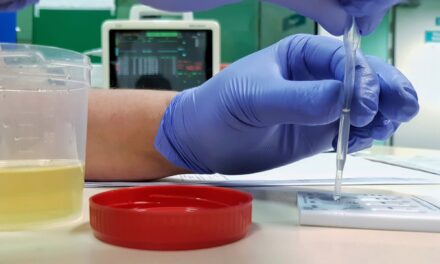
A rapid urine test identified effective UTI antibiotics in an average of 5.85 hours, matching standard lab accuracy in a University of Reading study published in the Journal of Antimicrobial Chemotherapy.