
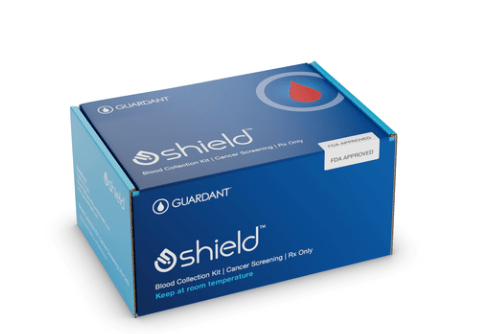
Presented at ACG 2026, data on Guardant Health’s Shield test projects higher follow-up colonoscopy rates and highlights a 99% adherence rate in rural clinics.
Blood-based colorectal cancer (CRC) screening averts more cancer deaths and increases downstream colonoscopy completion compared to stool-based testing methods, according to new study data presented by Guardant Health and research collaborators at the American College of Gastroenterology (ACG) 2026 Annual Meeting in Nashville, Tennessee.
The findings evaluate the clinical and diagnostic trajectory of patients screened with Guardant’s Shield test, examining both lifetime health projections and real-world implementation across underserved clinical settings.
Modeling Lifetime Outcomes and Follow-Up Adherence
A lifetime modeling study evaluating individuals aged 45 to 75 projected outcomes using real-world evidence for follow-up colonoscopy adherence. The simulation demonstrated that blood-based testing may expand the diagnostic pathway rather than diminish it by bringing unscreened individuals into routine care.
When accounting for longitudinal test adherence and real-world follow-up colonoscopy adherence, blood-based screening resulted in 679 colonoscopies per 1,000 simulated individuals over their lifetime, compared to 113 for fecal immunochemical testing (FIT) and 326 for multitarget stool DNA (mt-sDNA) testing. Over the same simulation period, blood-based screening averted 12 CRC deaths per 1,000 individuals, compared to six averted deaths with FIT and nine with mt-sDNA.
“Today’s research continues to reinforce the data we’ve seen across Guardant’s robust real-world evidence: blood-based screening meaningfully closes gaps in colorectal cancer screening participation with a significant lift in underserved communities that face some of the most persistent access barriers,” says Sam Asgarian, vice president of clinical affairs at Guardant Health, in a release. “For the first time, we’ve been able to correlate the impact of real-world follow-up colonoscopies and screening adherence with the modeling studies of the Shield blood test. We’re proud to present this compelling research with our collaborators at ACG and to continue to demonstrate Shield’s role as a clinically meaningful alternative to traditional screening methods.”
Adherence in Medically Underserved Populations
In a separate clinical implementation study expanding on previous research conducted in Appalachia, investigators evaluated the real-world uptake of the Shield test in two rural health clinics in South Carolina.
The evaluation demonstrated a 99% adherence rate among patients offered the blood test. By comparison, overall routine CRC screening adherence typically ranges between 28% and 71%.
Assay Mechanism and Clinical Intended Use
Shield is a methylation partitioning cell-free DNA noninvasive assay that detects alterations associated with colorectal cancer in the blood. It is the first blood test cleared by the FDA as a primary screening option for average-risk adults aged 45 and older.
The test can be collected during routine clinical visits and is not indicated for individuals at high risk for CRC. In real-world clinical use, where more than 200,000 tests have been performed, the test has demonstrated an overall screening adherence rate exceeding 90%. A positive laboratory result indicates potential presence of CRC or advanced adenoma, requiring subsequent referral for diagnostic colonoscopy. Payer coverage is also expanding: UnitedHealth Group and Carelon have both added coverage for Shield.
Photo caption: Shield blood test
File photo/Provided by Guardant Health