
A new Pennsylvania law will require state-regulated insurers and Medicaid to cover blood-based colorectal cancer screening tests with no cost-sharing, Dec 21, 2026.
A newly enacted Pennsylvania law will require state-regulated health insurance plans and Medicaid to cover modern colorectal cancer (CRC) screening methods, including blood-based tests, with zero cost-sharing for eligible individuals.
Pennsylvania House Bill 1123 aligns coverage mandates with the latest clinical guidelines from the American Cancer Society and the National Comprehensive Cancer Center, eliminating out-of-pocket costs for approximately 2 million screening-eligible state residents. The law is scheduled to take effect Dec 21, 2026.
The state legislative action addresses coverage gaps that have persisted during delays by the US Preventive Services Taskforce in updating federal CRC screening recommendations to incorporate newer, FDA-approved, and CMS-covered diagnostic technologies.
Expanding Access to Non-Invasive Diagnostics
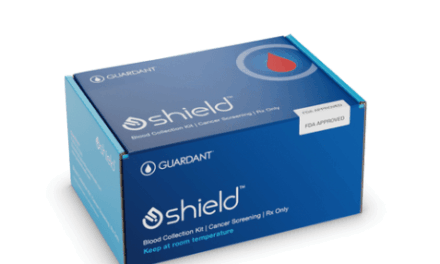
The legislation clears reimbursement barriers for diagnostic innovations such as the Shield blood test developed by Guardant Health. The test is the first blood-based CRC screening tool incorporated into both American Cancer Society and National Comprehensive Cancer Center guidelines.
“With colorectal cancer now the leading cause of cancer-related death in Americans under 50, Pennsylvania’s new law expands access to the Shield blood test amid rising CRC rates by aligning coverage with the latest clinical evidence,” says AmirAli Talasaz, Guardant Health co-CEO, in a release. “By removing cost as a barrier, we can reach more Pennsylvanians, especially in rural communities where Shield has been proven to double screening adherence rates.”
Lawmakers underscored that providing alternative, non-invasive modalities encourages broader participation among individuals who avoid conventional screening procedures.
“The research is clear: more people complete and prefer the FDA-approved blood test for colorectal cancer screening, given its ease of use,” says Pat Gallager, Pennsylvania state representative and bill sponsor, in a release. “And when more people get screened, more cancers are caught early, giving Pennsylvanians diagnosed more time for treatment, more time with family, and a greater chance at a healthier life.”
Devlin Robinson, Pennsylvania state senator, adds in a release, “While colonoscopy remains the gold standard for colorectal cancer screening, we know different options can make a difference in whether someone follows through with testing and the best screening test is the one a patient completes,”“Giving patients and providers more evidence-based options can help us detect cancer earlier and ultimately save lives.”
Test Indication and Clinical Utility
The Shield assay is a methylation partitioning cell-free DNA test designed to identify blood-based alterations associated with colorectal cancer. The non-invasive test is intended for individuals aged 45 years and older who are at average risk for CRC; it is not indicated for high-risk populations.
The blood draw can be completed during routine clinical encounters. Under clinical protocols, a positive result indicates potential presence of CRC or advanced adenoma, requiring subsequent referral for diagnostic colonoscopy evaluation.
ID 401321109 © Georgesheldon | Dreamstime.com