New AI Test Estimates Individualized Chemotherapy Benefit in Breast Cancer Patients
Using causal artificial intelligence and digital pathology, the test moves beyond population-level averages to predict patient-specific chemotherapy outcomes.


Using causal artificial intelligence and digital pathology, the test moves beyond population-level averages to predict patient-specific chemotherapy outcomes.

The collaboration has produced a custom nucleic acid extraction workflow designed to unlock molecular insights from a novel biospecimen and improve diagnostic utility in gut health conditions.






20/20 BioLabs argues a tiered screening approach—starting with protein-based tests before moving to circulating tumor DNA testing or imaging—could improve early-stage detection and lower costs.






Veracyte will present over 15 studies on its Decipher prostate and bladder cancer tests, including new clinical trial data, at the 2026 ASCO Genitourinary Cancers Symposium in San Francisco.
Read More
The integrated testing approach combines genomic profiling with immunohistochemistry to support faster treatment decisions for advanced-stage cancer patients.
Read More
The Galleri blood test demonstrated a four-fold increase in cancer detection rates and substantial reduction in stage IV cancer diagnoses in 142,000 participants.
Read More
ClearNote Health has launched an enhanced pancreatic cancer test, reporting 82.6% sensitivity and 97.5% specificity in high-risk patients using a multianalyte, multiomic blood-based approach.
Read More
The NeXT Personal molecular residual disease test can now be used for surveillance of patients with Stage I to III non-small cell lung cancer.
Read More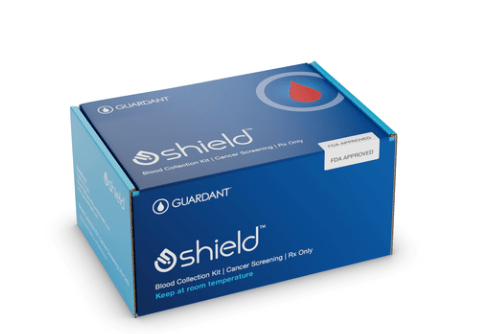
Guardant Health will provide up to 100 free Shield blood tests per organization to support colorectal cancer screening events and outreach during Colorectal Cancer Awareness Month in March.
Read More
The CLIA-certified facility offers functional precision medicine testing that analyzes live tumor cells against FDA-approved therapies within 10 days.
Read More
Hims & Hers Health is now offering GRAIL’s Galleri multi-cancer blood test through its digital health platform, expanding access to screening for more than 50 cancer types, including those lacking established protocols.
Read More
Johns Hopkins researchers have developed a liquid biopsy that detects early-stage lung and breast cancers by measuring DNA methylation variation, showing high accuracy in a study published in Clinical Cancer Research.
Read More
Researchers at La Trobe University have developed a single-use test strip that detects cancer-related microRNAs in blood plasma at concentrations up to 1,000 times lower than current methods.
Read More
New Labcorp survey of 152 oncologists reveals 89% expect care to become more complex within three years, while digital integration and coverage barriers persist.
Read More
Ambry Genetics supported a new study evaluating 6,718 PALB2 gene variants using MAVEs, advancing risk assessment for hereditary breast and pancreatic cancer.
Read More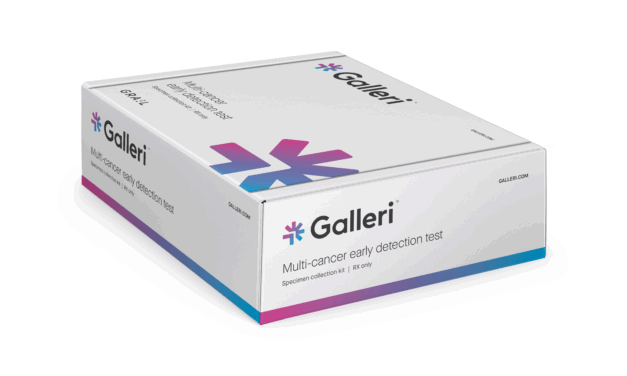
GRAIL has submitted an FDA premarket approval application for its Galleri multi-cancer early detection test, supported by data from more than 25,000 participants in US and UK clinical trials.
Read More
A new study found the assay detected immunotherapy response in advanced cancer patients a median of 23 days after treatment—over five months earlier than imaging.
Read More
Valley Diagnostics has secured exclusive global rights to develop point-of-care lateral flow tests for prostate cancer, lung cancer, and animal diseases, with product rollout planned for 2026.
Read More