Ataraxis AI Launches Test to Predict Response to Neoadjuvant Therapy in Breast Cancer
The tool uses digitized pathology slides to estimate how patients will respond to therapy before surgery.


The tool uses digitized pathology slides to estimate how patients will respond to therapy before surgery.

A peer-reviewed study suggests molecular signatures can be identified without invasive uterine sampling using whole-transcriptome sequencing and machine learning.






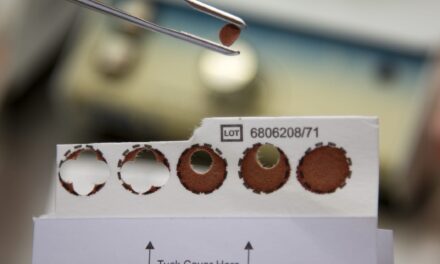
As the 2026 ADA Standards of Care emphasize earlier identification and more precise classification of diabetes, clinical laboratories are rethinking workflows, assay menus, and their role in detection.





Caris Life Sciences has launched Caris ChromoSeq, a whole genome and transcriptome sequencing assay for myeloid malignancies, designed to consolidate multiple tests into a single workflow with a seven-day turnaround.

The rapid RT-PCR assay runs on the FINDER platform, establishing it as a molecular point-of-care platform with multifunctional capabilities.
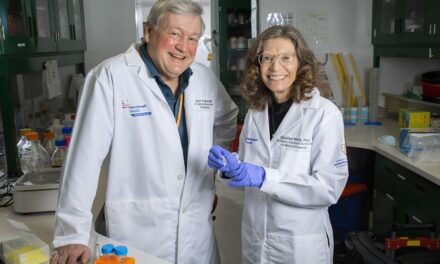
The NIH has awarded $850,000 to Northwell Health’s Feinstein Institutes to advance a noninvasive menstrual blood test for endometriosis, aiming to reduce reliance on surgical diagnosis, according to the institutes.
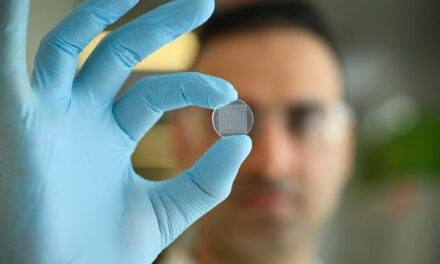
Researchers at JAX and MIT have developed a microneedle patch that samples immune cells from skin within hours, providing a noninvasive alternative to blood draws and biopsies.
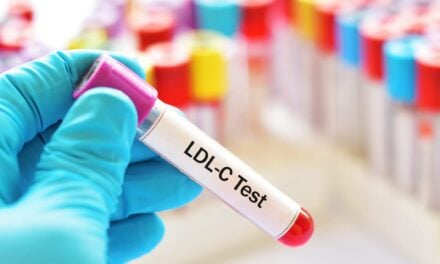
The ACC, AHA, and nine other associations have issued an updated dyslipidemia guideline, recommending earlier intervention and expanded use of lipoprotein(a) and apolipoprotein B testing to improve cardiovascular risk assessment.

BRAINBox Solutions reports near-completion of its HeadSMART II trial for a concussion blood test, supporting an upcoming FDA submission, and advances in a point-of-care biomarker collaboration with Prolight Diagnostics.
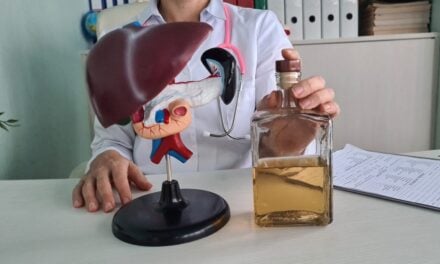
Researchers at UC San Diego have developed the MAPI score, a blood test using five standard lab values to distinguish alcohol-related liver injury from metabolic causes, according to a study in Gastroenterology.

Insight Molecular Diagnostics has completed clinical validation and received ISO 13485 certification for its GraftAssureDx kidney transplant rejection test kit, moving toward FDA submission, according to the company.

The Cystic Fibrosis Base assay has received IVDR accreditation, ensuring high standards for detecting cystic fibrosis mutations.

A multicenter, vignette-based study found that adding a rapid sepsis test result to standard clinical data changed or reinforced diagnostic decisions in 86% of cases.