New AI Test Estimates Individualized Chemotherapy Benefit in Breast Cancer Patients
Using causal artificial intelligence and digital pathology, the test moves beyond population-level averages to predict patient-specific chemotherapy outcomes.

Using causal artificial intelligence and digital pathology, the test moves beyond population-level averages to predict patient-specific chemotherapy outcomes.

The biomarker showed independent associations with cognitive and functional decline, offering complementary information alongside p-tau217 in early symptomatic Alzheimer's disease.




As the 2026 ADA Standards of Care emphasize earlier identification and more precise classification of diabetes, clinical laboratories are rethinking workflows, assay menus, and their role in detection.





Ibex Medical Analytics has launched Ibex 4, an AI-powered pathology platform with expanded end-to-end breast cancer diagnostic workflows, zero-click IHC tools, and enhanced lab integration capabilities for increased efficiency.

A proof-of-concept study shows that bacteria-metabolized molecules enriched with carbon-13 produce detectable exhaled CO2, enabling rapid infection identification with inexpensive infrared scanners.

The new panel includes 11 female-specific biomarkers covering hormonal transitions, thyroid function, and nutrient levels.
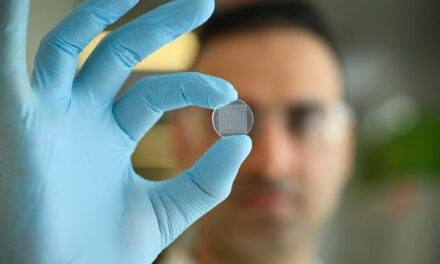
Researchers at JAX and MIT have developed a microneedle patch that samples immune cells from skin within hours, providing a noninvasive alternative to blood draws and biopsies.
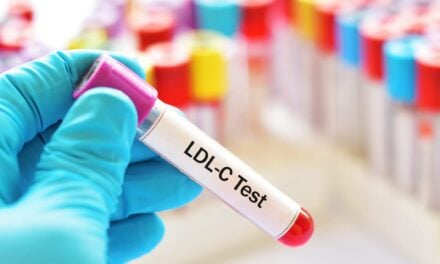
The ACC, AHA, and nine other associations have issued an updated dyslipidemia guideline, recommending earlier intervention and expanded use of lipoprotein(a) and apolipoprotein B testing to improve cardiovascular risk assessment.
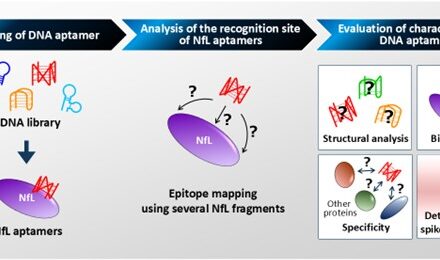
The newly identified aptamers match antibody-level binding strength and could support the development of lower-cost, point-of-care blood tests for neurodegeneration.
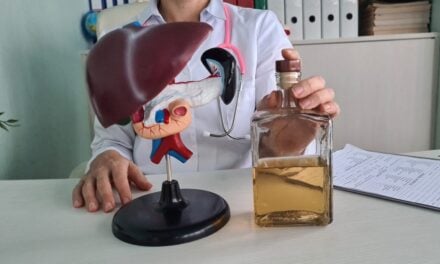
Researchers at UC San Diego have developed the MAPI score, a blood test using five standard lab values to distinguish alcohol-related liver injury from metabolic causes, according to a study in Gastroenterology.

Insight Molecular Diagnostics has completed clinical validation and received ISO 13485 certification for its GraftAssureDx kidney transplant rejection test kit, moving toward FDA submission, according to the company.

The Cystic Fibrosis Base assay has received IVDR accreditation, ensuring high standards for detecting cystic fibrosis mutations.

Research in bone marrow transplant patients with blood cancers and febrile neutropenia suggests the host-response test may help identify infection in high-risk populations.