FDA Approves Companion Diagnostic for Colorectal Cancer Treatment
The FDA has approved a companion diagnostic for identifying BRAF V600E-mutant metastatic colorectal cancer patients eligible for encorafenib combination therapy.
New guidelines designate high-risk HPV testing as preferred screening method for women ages 30-65 and require insurance coverage for additional testing.
Better cancer testing can help patients avoid unnecessary scans and biopsies, while also lowering costs for the healthcare system.
A study of 431 patients demonstrates the test can detect cancer recurrence months ahead of standard imaging.
Read MoreResearch analyzing cell-free DNA fragmentation patterns in healthy individuals reveals physiological confounders that could improve test accuracy.
Read MoreTransaction expands Natera’s solid tumor MRD capabilities and adds ultrasensitive phased variant technology with detection below 0.1 parts per million.
Read MoreThe collaboration combines AI-based analysis tools with a next-generation sequencing system to support labs performing tumor and liquid biopsy testing.
Read MoreThe new guidelines allow self-collected vaginal samples for HPV testing and outline criteria for safely discontinuing cervical cancer screening.
Read MoreThe test receives premarket approval as an aid in biopsy decision-making for men 50 and older with elevated PSA levels.
Read MoreThe Mercy Halo test demonstrates performance similar to low-dose CT screening with the potential to reach underscreened populations.
Read MoreThe standards developed through a public-private partnership contain seven oncogenic mutations selected for clinical significance.
Read MoreCoverage applies to stage II and III breast cancer patients across three major subtypes for up to six years of recurrence monitoring.
Read MoreResearch demonstrates the MRD assay’s utility in tracking disease progression and predicting treatment outcomes.
Read MoreThe blood-based screening test can detect more than 200 types of solid tumor cancers and is now available in all 48 continental states.
Read MoreThe agreement extends CNSide cerebrospinal fluid test coverage to 16 million additional patients nationwide.
Read MoreThe whole-genome test combines data from 7 million genetic markers with clinical risk factors to provide individualized 10-year and lifetime risk assessments.
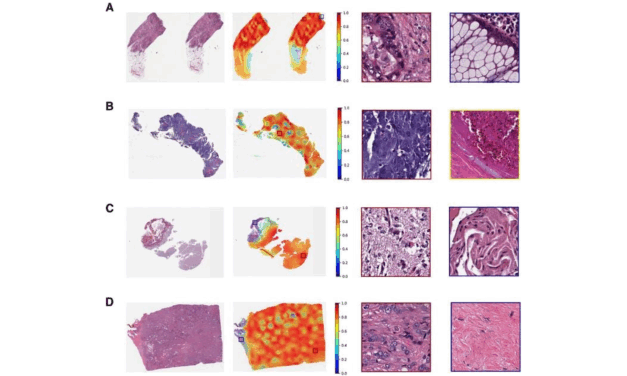
Read MoreThe collaboration combines Labcorp’s clinical expertise with Lunit’s AI algorithms to analyze tumor microenvironments and enhance biomarker discovery.
Read MoreThe BD Onclarity HPV Assay detects 14 high-risk HPV types and supports self-collection.
Read More