Study at opioid treatment program finds high patient uptake for vaginal swab self-screening.
Offering human papillomavirus (HPV) self-testing at an opioid treatment program increased cervical cancer screening among patients who often go without it, according to research published in JAMA Network Open. This expanded screening approach aims to detect cervical cancer at earlier stages and reduce mortality in high-risk, underscreened populations.
“We have to get out into new environments to reach patients who are not being reached through standard testing,” says Elizabeth Swisher, MD, a professor of gynecologic oncology at the University of Washington School of Medicine and the study’s lead author, in a release.
Swisher notes that people marginalized from the healthcare system, including those with opioid use disorder, are more likely to be unscreened and face higher risk factors for cervical cancer.
Methodology and Patient Uptake
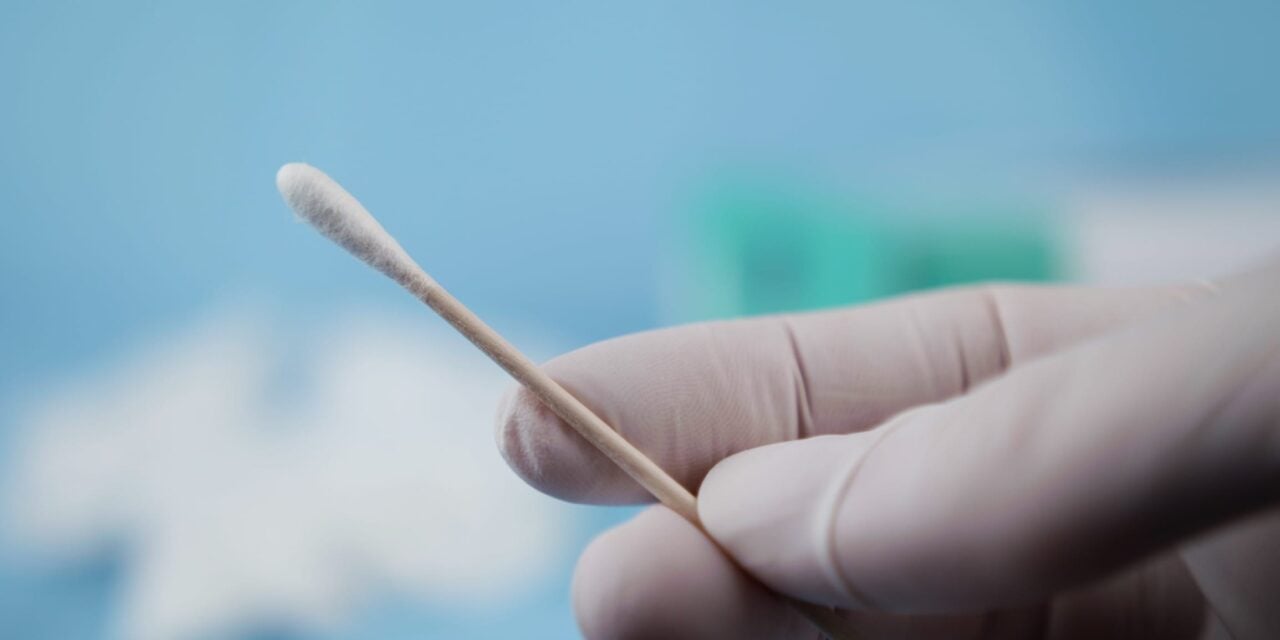
The research team partnered with We Care Daily Clinics to offer HPV self-testing during annual wellness visits. The team offered testing to patients 25 or older who had a cervix and were overdue for screening or unsure of their last screening date. While traditional screening involves a pelvic exam, patients in this study used a vaginal swab to self-screen.
This self-testing method is as accurate as clinician-administered screens, can be implemented in locations that lack gynecological services, and is more comfortable for many patients.
The study found that 90% of patients were due for screening, and 90% of those individuals chose to self-screen. The swabs revealed nearly double the rate of positive, high-risk HPV compared to a recent large cervical cancer screening study in Washington.
Clinical Follow-Up and Future Expansion
When tests indicated high-risk HPV strains, the clinic connected patients with follow-up care, including Pap smears or colposcopies. While connecting patients with this follow-up care presented challenges, offering the initial self-test in the clinic was a significant step in expanding screening access.
“Screening the unscreened will make an impact on cervical cancer mortality,” says Swisher in a release.
The research team aims to expand this service to more opioid-treatment programs and other clinics serving underscreened groups—similar to other health system outreach efforts that have successfully boosted screening rates in high-risk populations—including farmworkers and unhoused populations.
The research was funded by a Cancer Center Support Grant from the National Cancer Institute of the National Institutes of Health.
ID 182868192 © Teilocompany | Dreamstime.com