OGT Launches NGS Panel to Detect Residual Disease in Acute Myeloid Leukemia
The RNA-based panel detects leukemia-associated gene fusions at levels as low as 1% tumor cells, offering another approach to monitoring residual disease.


The RNA-based panel detects leukemia-associated gene fusions at levels as low as 1% tumor cells, offering another approach to monitoring residual disease.
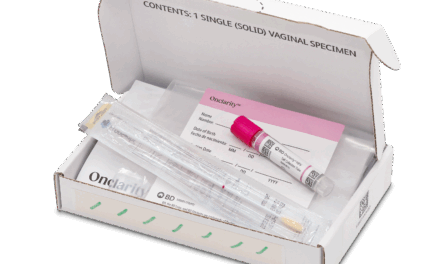
Quest Diagnostics and Waters Corp will expand at-home HPV screening nationwide in 2027, offering extended genotyping via the FDA-cleared Onclarity Self-Collection Kit through clinical, health plan, and consumer channels.





Aignostics has launched HETA Clinical, an AI-based suite for digital pathology that analyzes whole-slide H&E images to assess tumor content and tissue quality, aiming to reduce molecular test failure rates in clinical labs.
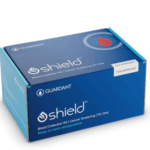




New data show high diagnostic performance for ovarian, endometrial, and cervical cancers, with a targeted assay designed to run on existing clinical laboratory equipment.
Read More
An independent validation study of 426 patients evaluated the assay’s ability to assess 10-year recurrence risk and identify patients more likely to benefit from radiation therapy.
Read More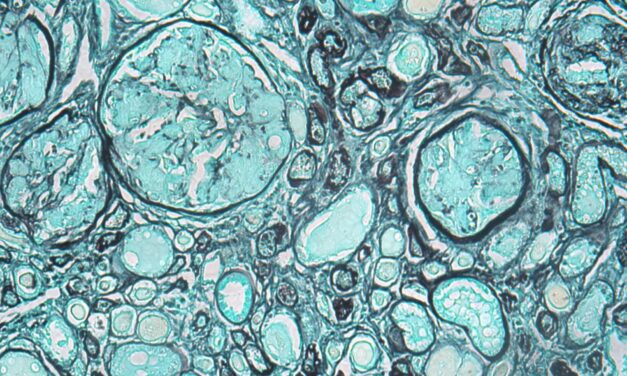
10x Genomics and Fred Hutchinson Cancer Center have launched a multi-project collaboration to study single cell and spatial profiling for cancer diagnostics, including biomarkers in bladder cancer and residual disease detection in AML.
Read More
Cerenome has launched two CSF-based molecular profiling tests for CNS cancers, offering DNA and RNA sequencing panels to evaluate primary, metastatic, and hematologic malignancies in the central nervous system.
Read More
Pillar Biosciences has introduced the oncoReveal Myeloid v2 Panel, expanding its NGS assay from 58 to 80 genes and enhancing FLT3-ITD detection while maintaining existing laboratory workflows.
Read More
A study found that Quest Diagnostics’ Haystack MRD ctDNA test detected colorectal cancer recurrence with up to 100% specificity, outperforming CEA testing in DYNAMIC trial patient specimens.
Read More
A Stanford-led study found that Resero Bio’s uRARE-seq urine cfRNA test can non-invasively detect bladder cancer, assess tumor grade, and predict therapy response in 683 patient samples.
Read More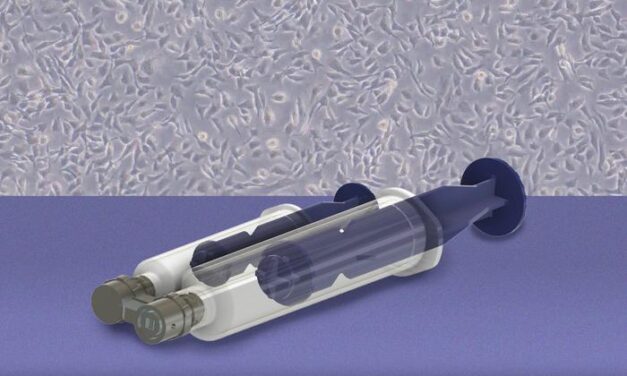
Using microfluidic shear stress, the system detaches living cells from excised tissue to support pathology workflows and downstream diagnostic testing.
Read More
Astrin Biosciences has expanded access to its Certitude breast cancer blood test to 48 states through OpenLoop Health. The assay showed 92% sensitivity and 93% specificity in clinical validation.
Read More
Project HOPE, funded by The Labcorp Charitable Foundation, has launched a two-year Madison, Wisconsin, initiative with local clinics to expand PSA testing and prostate cancer care for uninsured men facing access barriers.
Read More
Abbott has launched SimpleScreen CRC, an FDA-approved blood test for colorectal cancer screening in average-risk adults, reporting 81.1% sensitivity and 90.4% specificity in a 48,000-patient study.
Read More
An ancillary analysis of the phase III NRG/RTOG 0815 trial shows Veracyte’s Decipher Prostate test can predict which intermediate-risk prostate cancer patients benefit from adding hormone therapy to radiation.
Read More
An FDA advisory panel voted 7-2 that the benefits of GRAIL’s Galleri multi-cancer early detection blood test outweigh its risks for adults 50 and older, supporting its premarket approval application.
Read More
Lucid Diagnostics reports new Medicare, CPT, and ICD-10 panel recommendations supporting reimbursement and coding for its EsoGuard and EsoCheck esophageal cancer tests, advancing billing and clinical tracking pathways.
Read More
A study led by Augusta University found 100% concordance between Nabsys OhmX electronic genome mapping and standard cytogenetic methods in detecting pathogenic variants in AML and CML bone marrow samples.
Read More