Largest Lung Nodule Biomarker Validation Study Backs Earlier Cancer Detection
A pooled analysis of more than 1,100 patients across four cohort studies supports the clinical utility of the Nodify CDT test in identifying high-risk lung nodules.


A pooled analysis of more than 1,100 patients across four cohort studies supports the clinical utility of the Nodify CDT test in identifying high-risk lung nodules.

Data show the test can predict both locoregional recurrence risk and radiation therapy benefit in early-stage invasive breast cancer.




The integrated testing approach combines genomic profiling with immunohistochemistry to support faster treatment decisions for advanced-stage cancer patients.




Johns Hopkins researchers have developed a liquid biopsy that detects early-stage lung and breast cancers by measuring DNA methylation variation, showing high accuracy in a study published in Clinical Cancer Research.
Read More
Researchers at La Trobe University have developed a single-use test strip that detects cancer-related microRNAs in blood plasma at concentrations up to 1,000 times lower than current methods.
Read More
New Labcorp survey of 152 oncologists reveals 89% expect care to become more complex within three years, while digital integration and coverage barriers persist.
Read More
Ambry Genetics supported a new study evaluating 6,718 PALB2 gene variants using MAVEs, advancing risk assessment for hereditary breast and pancreatic cancer.
Read More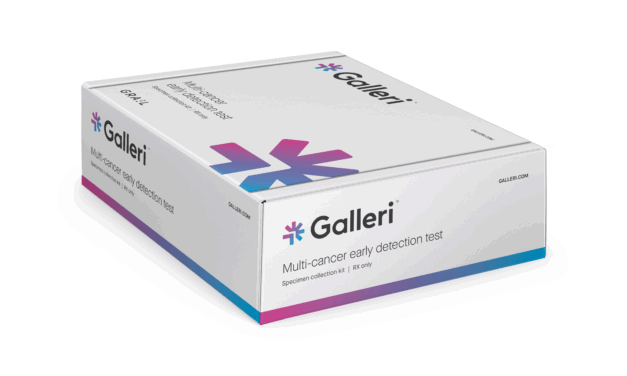
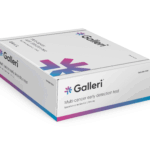
GRAIL has submitted an FDA premarket approval application for its Galleri multi-cancer early detection test, supported by data from more than 25,000 participants in US and UK clinical trials.
Read More
A new study found the assay detected immunotherapy response in advanced cancer patients a median of 23 days after treatment—over five months earlier than imaging.
Read More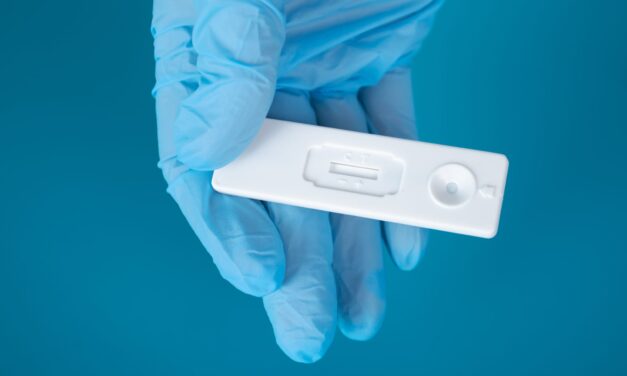
Valley Diagnostics has secured exclusive global rights to develop point-of-care lateral flow tests for prostate cancer, lung cancer, and animal diseases, with product rollout planned for 2026.
Read More
A real-world study of 111,080 participants found the Galleri multi-cancer blood test achieved a 0.91% cancer detection rate and 87% accuracy in predicting tumor origin.
Read More
Researchers at Mass General Brigham have developed a blood test that predicts tarlatamab response in small cell lung cancer, showing 85% sensitivity and 100% specificity.
Read More
The FDA has approved a companion diagnostic for identifying BRAF V600E-mutant metastatic colorectal cancer patients eligible for encorafenib combination therapy.
Read More
Researchers at Baylor College of Medicine have identified four new protein markers that improve detection of triple-negative breast cancer cells in blood, potentially enhancing the accuracy of liquid biopsy tests, according to a recent study.
Read More
Lucid Diagnostics has secured a VA contract for its EsoGuard Esophageal DNA Test, expanding access to esophageal precancer screening for more than 9 million veterans through the federal supply schedule at Medicare-aligned pricing.
Read More
The collaboration will utilize Guardant’s liquid biopsy portfolio for the development of companion diagnostics for drug approvals.
Read More
BillionToOne has partnered with Epic to integrate its UNITY Complete prenatal and Northstar oncology tests into Epic’s EHR system, enabling direct ordering and results delivery for healthcare providers.
Read More
A study reports that post-treatment circulating tumor DNA levels may better predict recurrence in HER2-positive breast cancer patients than current pCR measures.
Read More