Urine Biomarker Test Improves Prediction of Donor Kidney Outcomes
A Johns Hopkins study reports that adding three urine biomarkers to standard assessments raises the accuracy of predicting deceased donor kidney transplant success from 80% to 86%.

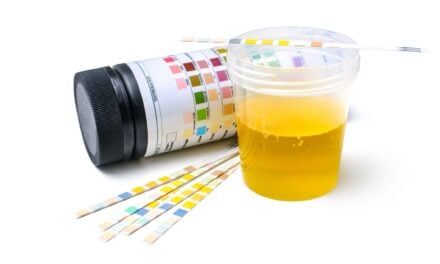
A Johns Hopkins study reports that adding three urine biomarkers to standard assessments raises the accuracy of predicting deceased donor kidney transplant success from 80% to 86%.
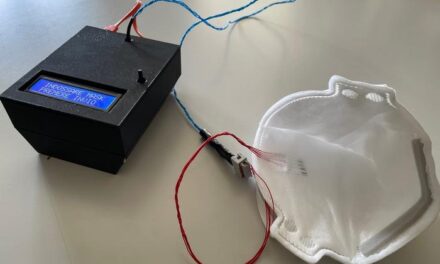
Researchers developed a surgical face mask embedded with a breath sensor that can non-invasively detect chronic kidney disease (CKD).





Researchers have developed a novel metasurface biosensor platform that improves the detection and monitoring of chronic kidney disease.





A simple blood test may predict the risk of progressive heart and kidney disease in people with Type 2 diabetes and kidney disease.
Read More
Researchers have identified a biomarker that can be used to diagnose acute tubulointerstitial nephritis, which causes kidney inflammation.
Read More
The AACC, in collaboration with the NKF, has released guidance to reduce racial and gender disparities in the care of chronic kidney disease.
Read More
Screening all adults in the United States for CKD starting at age 35 could be cost effective for the quality of life-years gained.
Read More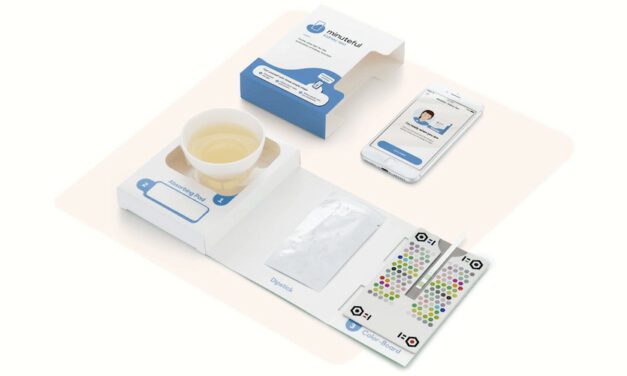
Healthy.io is launching a program with Boehringer Ingelheim that will support at-home testing for patients at risk of chronic kidney disease.
Read More
A new proteomic risk model for cardiovascular disease was found to be more accurate than current methods of measuring cardiac risk
Read More
Researchers found that higher levels of certain biomarkers in urine and blood can predict a patient’s risk of chronic kidney disease.
Read More
Natera detailed a paper highlighting the clinical utility of its comprehensive kidney gene panel Renasight in aiding kidney disease diagnosis.
Read More
Broad-based genetic testing gives clinicians better insights into chronic kidney disease, improving the odds of a good transplant outcome.
Read More
A personalized approach to kidney disease screening for type 1 diabetes patients may reduce the time chronic kidney disease goes undetected.
Read More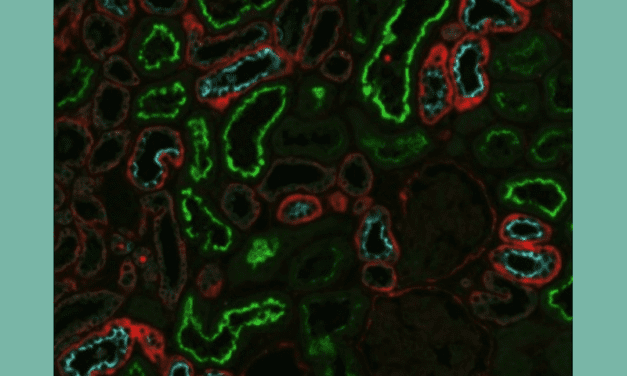
A team of researchers identified a new technique that can detect damage to children’s kidneys earlier than current tests
Read More
Acute kidney injury is common in patients in the ICU. Predicting which patients are at risk helps clinicians take preventive measures.
Read More
Research shows that removing a race modifier from a formula used to diagnose kidney disease may lead to equitable care for Black patients.
Read More
Millions of COVID patients may have undiagnosed acute kidney injury, a condition where the kidneys fail to filter waste from the blood.
Read More
Researchers established the inherited condition, TULP3-related ciliopathy, which causes kidney and liver failure in children and adults.
Read More