FDA-Cleared Blood Test for Alzheimer’s Assessment in Primary Care Now Available Nationwide
The Elecsys pTau-181 test helps primary care clinicians rule out Alzheimer's disease in symptomatic patients aged 55 and older.

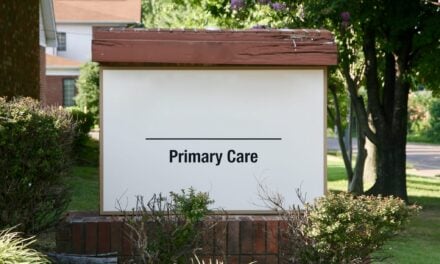
The Elecsys pTau-181 test helps primary care clinicians rule out Alzheimer's disease in symptomatic patients aged 55 and older.
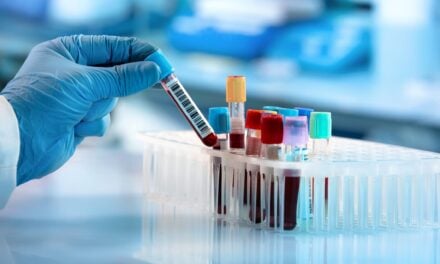
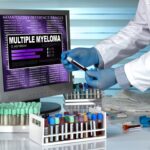
The test offers sensitivity comparable to next-generation sequencing methods while using noninvasive blood specimens instead of bone marrow aspirates.


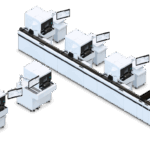

AI, new diagnostics, and shifting care delivery models are among the clinical laboratory predictions for 2026.




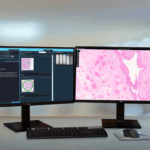
Peer-reviewed study found 98% concordance between Techcyte's digital workflow and brightfield microscopy in routine clinical laboratory testing.
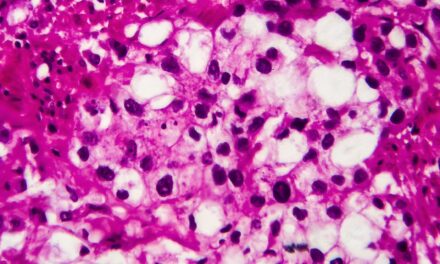
The collaboration will provide urologists and oncologists nationwide access to AI-powered tools for non-muscle invasive bladder cancer management.
The all-in-one diagnostic platform combines hematology, biochemistry, and immunoassay testing in a single run.

The company's cell analyzer will enable the investigation of 30-plus cellular characteristics to capture key biological insights and support a planned 1,000-person immune profiling study.
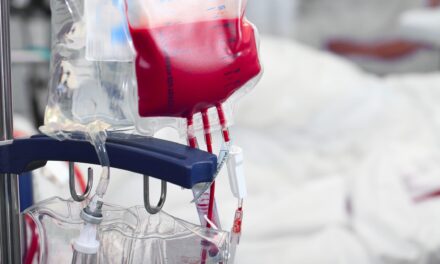
Fast, patient-specific blood test results during surgery can help clinicians decide when transfusions are truly needed.
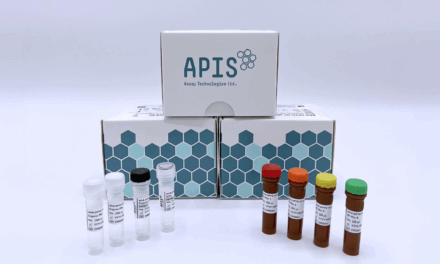
The qPCR-based test detects variants that increase risk of severe fluoropyrimidine chemotherapy toxicity.
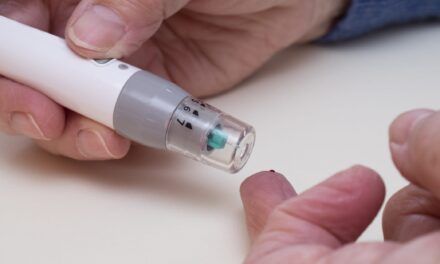
A 44-metabolite blood test signature identified by Mass General Brigham and Einstein researchers improved type 2 diabetes risk prediction in a study of over 23,000 participants, according to Nature Medicine.
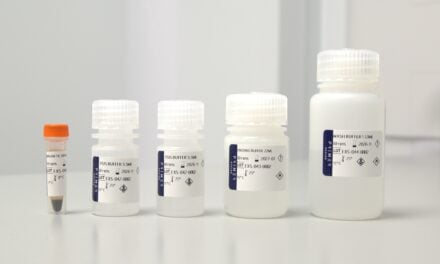
The exsig Mag RapidBead Pro kit features a four-step workflow that reduces extraction time to under 20 minutes.

A bipartisan House bill would require Medicaid to cover whole genome and exome sequencing for children with suspected rare diseases, aiming to improve diagnostic access and reduce costs, according to lawmakers and recent pilot programs.

The cobas liat system delivers PCR results in 15 minutes, detecting and differentiating between three Bordetella pathogens including whooping cough.
New recommendations address evolving drug landscape and advancing testing technologies since original 2003 guidance.