Why Spatial Omics Is Transitioning From ‘Maps’ to ‘Mechanisms’
High-resolution maps showed us where cells live; the next phase of spatial omics is about extracting those cells and uncovering the molecular conversations that shape outcomes.

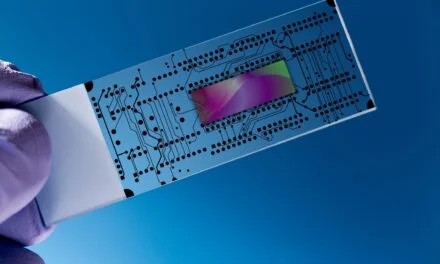
High-resolution maps showed us where cells live; the next phase of spatial omics is about extracting those cells and uncovering the molecular conversations that shape outcomes.
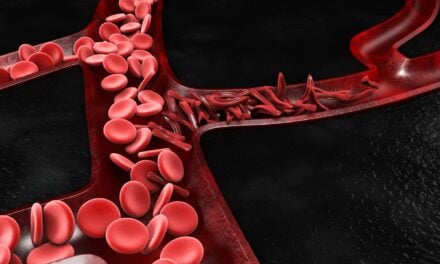
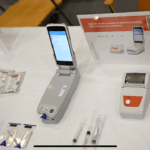
The test uses miniaturized electrophoresis technology designed to enable decentralized access to quantitative hemoglobin data.

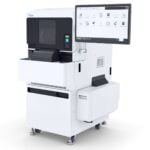

AI, new diagnostics, and shifting care delivery models are among the clinical laboratory predictions for 2026.



Tempus has introduced Paige Predict, an AI-powered pathology suite that analyzes H&E slides to predict 123 biomarkers across 16 cancer types when tissue samples are insufficient.
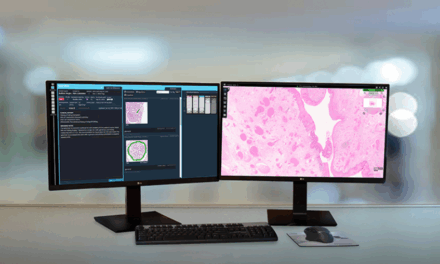
The integration connects Synapse Pathology with VoiceOver PRO to enable hands-free report generation and CAP-compliant structured data capture.
The all-in-one diagnostic platform combines hematology, biochemistry, and immunoassay testing in a single run.
The test offers sensitivity comparable to next-generation sequencing methods while using noninvasive blood specimens instead of bone marrow aspirates.
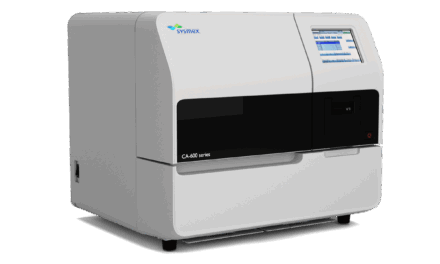
The compact, fully automated hemostasis analyzers are designed for routine testing environments and as a reliable backup instrument in larger labs.
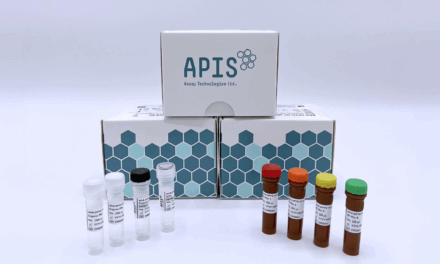
The qPCR-based test detects variants that increase risk of severe fluoropyrimidine chemotherapy toxicity.
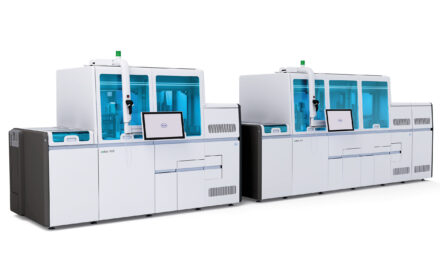
Labcorp will deploy Roche’s cobas Mass Spec platform in its US labs, marking the first commercial rollout of this fully automated mass spectrometry system to streamline complex diagnostic testing workflows.
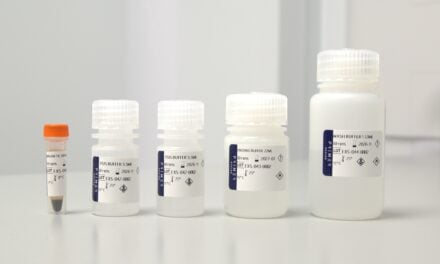
The exsig Mag RapidBead Pro kit features a four-step workflow that reduces extraction time to under 20 minutes.

Ambry Genetics has completed its one millionth DNA/RNA genetic test, highlighting increased adoption of RNA-enhanced diagnostics for hereditary cancer and rare diseases, according to the company.

The cobas liat system delivers PCR results in 15 minutes, detecting and differentiating between three Bordetella pathogens including whooping cough.
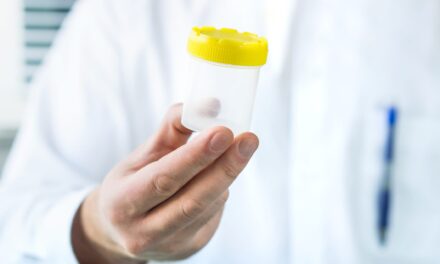
New recommendations address evolving drug landscape and advancing testing technologies since original 2003 guidance.