New guidelines designate high-risk HPV testing as preferred screening method for women ages 30-65 and require insurance coverage for additional testing.
The Health Resources and Services Administration (HRSA) announced updated cervical cancer screening guidelines that include a new option for women to self-collect samples for screening.
The updated guideline also designates high-risk human papillomavirus (hrHPV) testing, whether collected by a patient or a clinician, as the preferred screening modality for average-risk women ages 30-65, while retaining the option for cervical cytology (Pap) testing. For average-risk women ages 21-29, cervical cancer screening using Pap is recommended.
The guidelines also include new language requiring most insurance plans to cover additional testing needed to complete the screening process for malignancies. Insurance providers must begin coverage of the new screening guideline starting Jan 1, 2027.
“These updates represent a significant step forward in cervical cancer screening and will improve screening rates and save lives,” says HRSA administrator Tom Engels in a release. “By expanding screening options and removing cost barriers, we’re helping more women take an active role in protecting their health and their future.”
Samantha Byrnes, PhD, MSA, strategy lead covering sexual health and HPV/cervical cancer at Roche Diagnostics, says the update reflects growing consensus around primary hrHPV testing and acknowledges the need for follow-up tools to complete the screening process. She says the guidance recognizes that additional testing—such as dual-stain technologies—may be required after an initial screen and specifies that these services should be covered without cost sharing for most insured patients.
“The updated HRSA guidelines send a signal that there is significant consensus in cervical cancer screening to support primary hrHPV testing as the preferred testing method for women aged 30-65 years old,” says Byrnes, who was not involved in the development of the guidelines. “These updated guidelines also highlight the importance of offering the option of HPV self-collection for cervical cancer screening.”
FDA Approvals Support New Guidelines
The addition of self-collection to HRSA guidelines follows the US Food and Drug Administration approval of self-collection tests in 2024 and 2025. The decision also aligns with evidence showing self-collection is as effective as clinician collection and matches the American Cancer Society’s cervical cancer screening guidelines released in December 2025.
Cervical cancer screening remains one of the most effective ways to detect precancerous changes and early-stage cancers, according to a release from HRSA, which notes that self-collection offers an accessible option to increase screening rates, reduce barriers to testing, and improve early detection.
“It is encouraging to see HRSA and similar organizations support an evidence-based shift to primary hrHPV screening technologies that could have a positive impact on women’s health, and get closer to making cervical cancer a disease of the past,” says Byrnes.
The timing coincides with Cervical Cancer Awareness Month in January, providing additional focus on screening improvements and cancer prevention efforts.
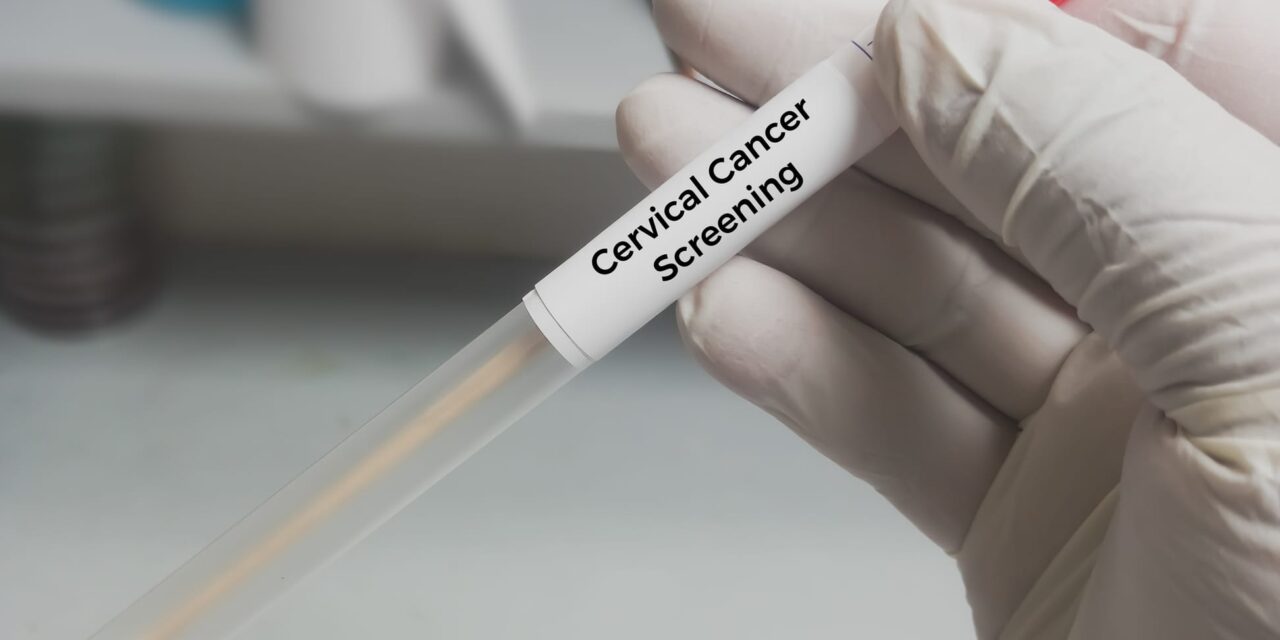
ID 303990342 © Md Babul Hosen | Dreamstime.com