Can a Blood Test Identify Head and Neck Cancer Patients at Risk of Recurrence?
An experimental assay detected residual HPV-related cancer DNA after surgery and was associated with poorer outcomes in an observational study.
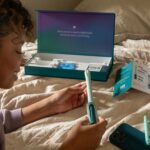
This marks the first time a US Food and Drug Adminstration-authorized self-collection device is available for at-home cervical cancer screening in the US.
AI is transforming cervical cancer screening through advanced image recognition, risk prediction models, and improved accessibility.
A new study reveals that 85% of women would welcome the option to choose between self-sampling and nurse-led HPV cervical screening.
Read MoreIn this episode of Clinical Lab Chat, we discuss what sample self-collection means for the diagnosis and treatment of HPV and cervical cancer.
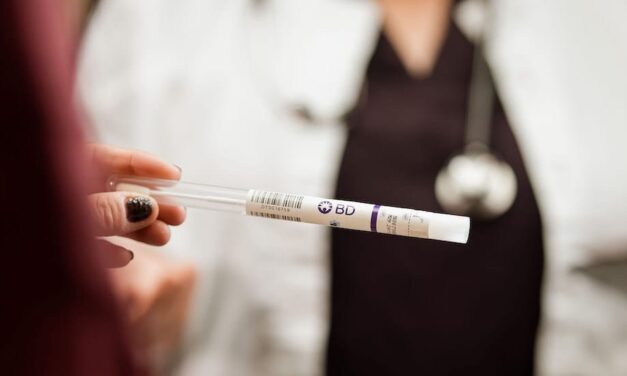
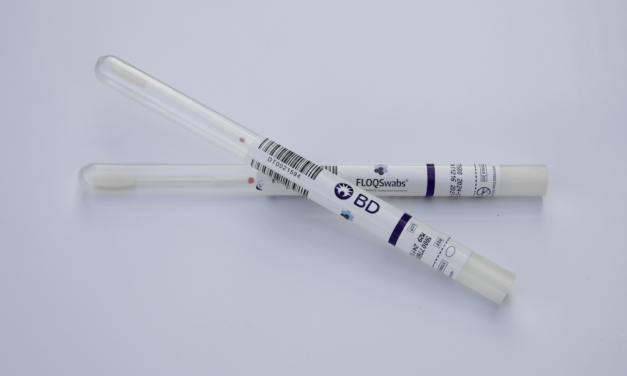
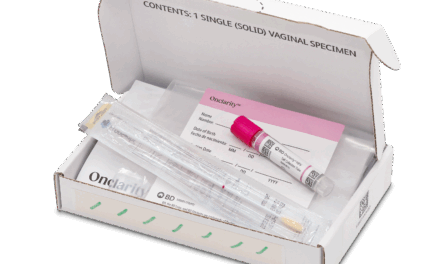
Read MoreBD is shipping its FDA-approved HPV self-collection kits to healthcare facilities, offering an accessible cervical cancer screening option.
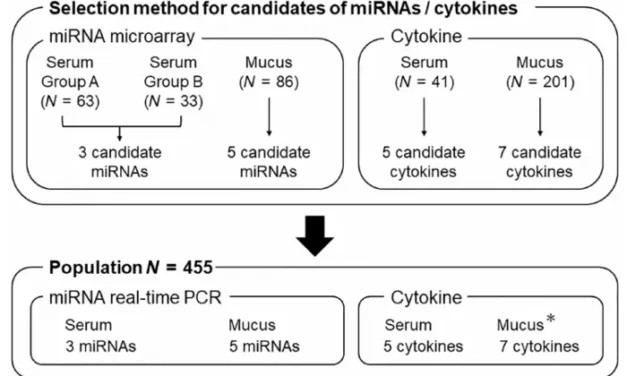
Read MoreA new study has identified specific biomarkers in cervical mucus that could improve accuracy in the early detection of cervical cancer.
Read MoreSeegene demonstrated its new HPV diagnostic products and emphasized the importance of HPV screening at the AOGIN conference.
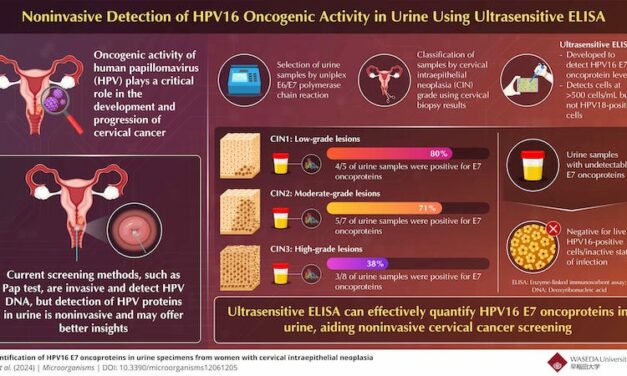
Read MoreResearchers developed a urine test using ELISA to detect HPV16 E7 oncoproteins, a noninvasive method for cervical cancer screening.
Read MoreA new study highlights support among healthcare providers for HPV self-collection, which could improve access to cervical cancer screening.
Read MoreResearchers developed an effective cervical cancer screening method, which detects more cancers and precancerous stages than current methods.
Read MoreBD received FDA approval for women to self-collect vaginal specimens for HPV testing, expanding access to cervical cancer screening.
Read Moreche received FDA approval for its HPV self-collection solution, allowing individuals to collect their own samples.
Read MoreAn at-home cervical cancer screening device received Breakthrough Device status to help increase testing access for people in need.
Read MoreResearchers developed a urine-based test utilizing whole genome sequencing to detect DNA fragments released by head and neck tumors.
Read MoreThe research highlighted factors influencing cervical cancer screening and highlighted the need for interventions to increase screening.
Read MoreThe TTMV-HPV DNA blood test provides a non-invasive method for detecting HPV-driven cancers before there is clinical evidence of disease.
Read MoreThe ASCCP recognized dual-stain biomarkers as an important tech to determine if an HPV infection is transforming into cervical pre-cancer.
Read More