Diadem Secures US Patent for Blood-Based Alzheimer’s Disease Biomarker Detection
The patent expands intellectual property coverage for the blood-based assay ahead of its planned commercial launch.


The patent expands intellectual property coverage for the blood-based assay ahead of its planned commercial launch.

Researchers at Xuanwu Hospital have developed an ultrasonic blood test method that detects Alzheimer’s with over 90% accuracy by measuring plasma amyloid-beta seeding activity.




Imperial College London has begun integrating C2N’s PrecivityAD2 blood test into primary care pathways for Alzheimer’s diagnosis, as part of the BEAD-PC study and the Davos Alzheimer’s Collaborative initiative.







Presentations will evaluate the performance of the company’s pTau217 and pTau181 assays while also highlighting phase 3 clinical research for the investigational therapy trontinemab for Alzheimer’s disease.
Read More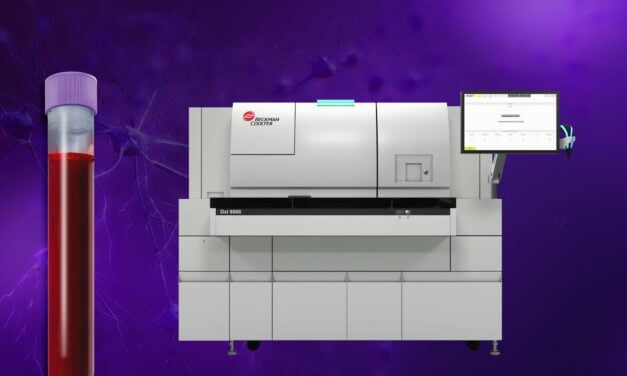
The p-Tau217 assay runs on the DxI 9000 Immunoassay Analyzer, enabling laboratories to incorporate blood-based Alzheimer’s biomarker testing into high-throughput workflows.
Read More
The eMTBR-Tau assay measures tau tangle pathology in blood, with potential applications in Alzheimer’s disease staging, clinical trials, and therapy monitoring.
Read More
Presentations at the upcoming Alzheimer’s Association International Conference include data comparing P-tau217 blood biomarker tests with amyloid PET, along with new long-term safety findings for donanemab.
Read More
The company is introducing blood-based assays for tau biomarkers and a platform to automate laboratory workflows.
Read More
A new NIH-funded study finds that elevated circular RNAs in blood may predict Alzheimer’s symptoms years in advance, outperforming current blood tests in forecasting disease progression.
Read More
Research indicates that blood and cerebrospinal fluid tests provide relevant prognostic information for elderly patients, challenging the idea that aging makes these tests less useful.
Read More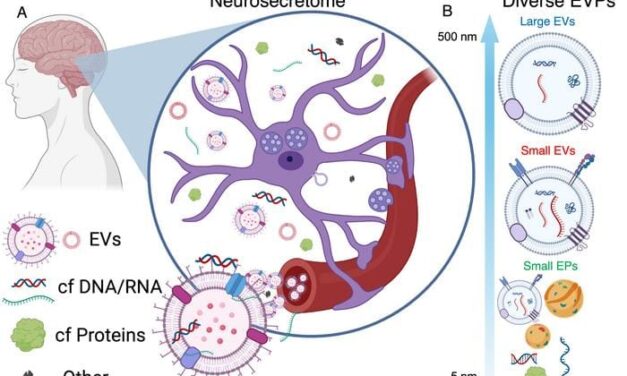
The study highlights the role of brain-derived nanoparticles in identifying the disease through minimally invasive testing.
Read More
The agreement will integrate a specific antibody into diagnostic tests for use on widely installed immunoassay systems.
Read More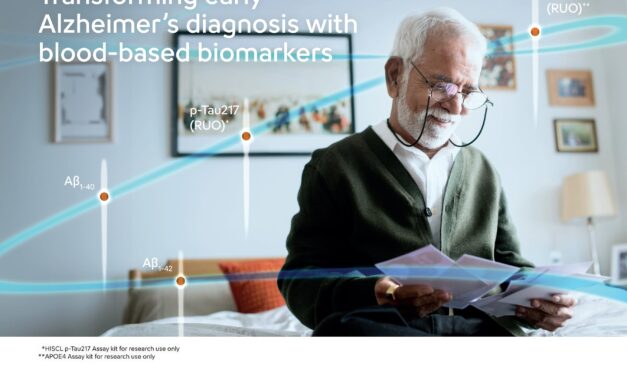
The system uses routine blood draws to provide results in 17 minutes, offering an alternative to invasive diagnostic methods.
Read More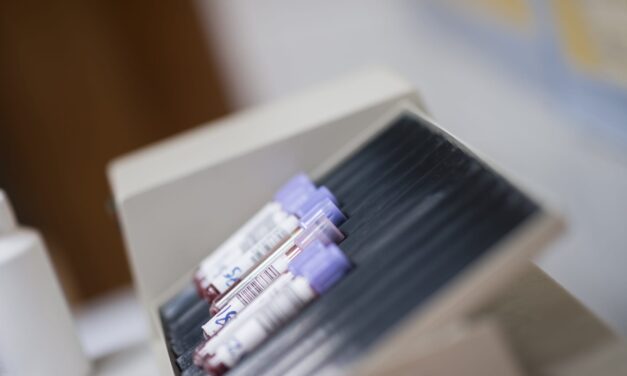
With the first FDA-cleared test and clinical guidelines debuting since May 2025, labs are evaluating how blood-based biomarkers fit into diagnostic protocols.
Read More
Biomarkers in midlife adults without dementia may be linked to the earliest signs of waning cognition, researchers found.
Read More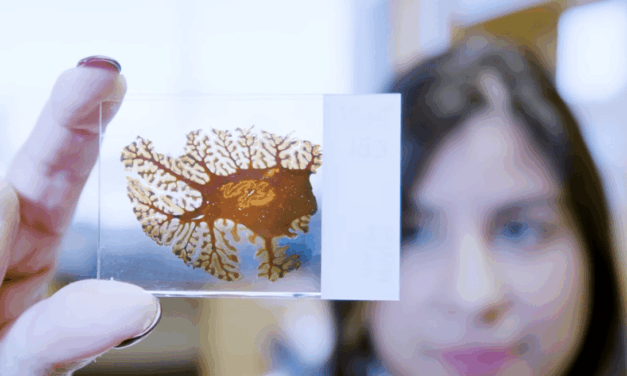
Researchers have identified a blood-based biomarker panel that may identify Alzheimer’s disease patients at increased risk for brain swelling or bleeding associated with new anti-amyloid therapies.
Read More
The sensor identifies misfolded protein biomarkers in blood before clinical symptoms of neurodegeneration appear.
Read More
The test uses urinary volatile organic compound patterns and machine learning to aid in the diagnosis of Alzheimer’s disease.
Read More