FDA Clears At-Home Cervical Cancer Screening Tool
The clearance of the Onclarity HPV Self-Collection Kit and approval of the BD Onclarity HPV Assay aim to reduce barriers for unscreened populations.


The clearance of the Onclarity HPV Self-Collection Kit and approval of the BD Onclarity HPV Assay aim to reduce barriers for unscreened populations.






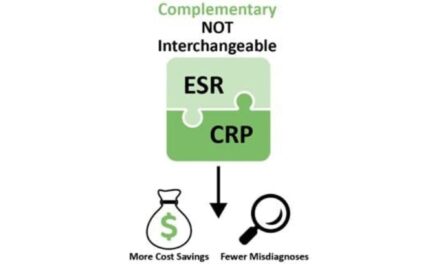
A peer-reviewed economic analysis challenges the assumption that erythrocyte sedimentation rate and C-reactive protein tests are interchangeable, finding that combined testing reduces misdiagnoses and lowers overall costs.

The assay is designed to allow transplant centers to perform molecular monitoring for organ rejection in-house rather than using send-out laboratories.





The integration gives more than 4,700 oncology providers across 1,600-plus community cancer care centers direct access to order and receive results from multiple precision oncology tests within a single clinical workflow.




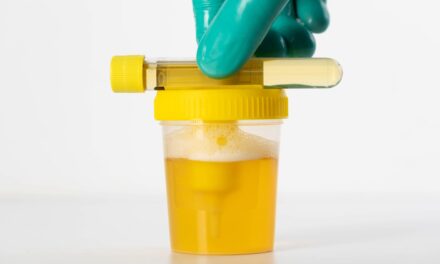
The updated urine test utilizes machine learning and patient ethnicity to provide individualized risk scores for aggressive disease.