September 2016 Product Spotlight: New Products Showcase
This month’s issue features new products from such companies as Advanced Instruments, Bio-Rad Laboratories, Sekisui Diagnostics, and Wheaton.
Read More
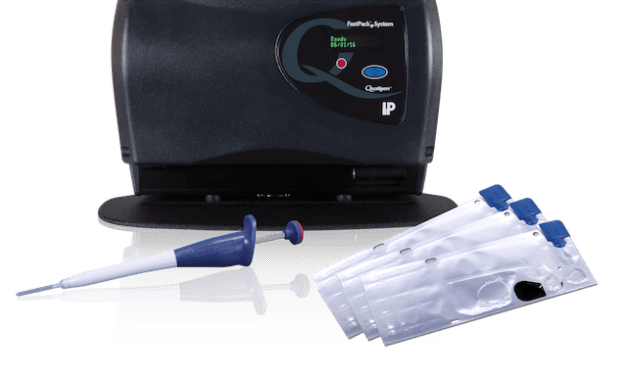
This month’s issue features new products from such companies as Advanced Instruments, Bio-Rad Laboratories, Sekisui Diagnostics, and Wheaton.
Read More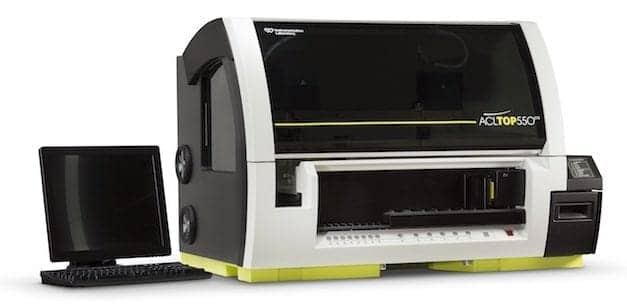
Designed for mid- to high-volume clinical laboratories, including those using lab automation tracks, the systems aim to achieve a breakthrough in hemostasis quality management for routine and specialty testing.
Read More
This month’s Product News features software from Sunquest Information Systems, a high-purity cardiac marker from BBI Solutions, and mechanical pipettes from Sartorius Corp.
Read More
The system offers a unique operator assessment module that standardizes pipetting technique across all skill levels.
Read MoreDavid A. Ahlquist, MD, coinventor of the Cologuard stool-based DNA screening test for colorectal cancer, discusses updated USPSTF guidelines that seek to increase screening rates.
Read More