OGT Launches NGS Panel to Detect Residual Disease in Acute Myeloid Leukemia
The RNA-based panel detects leukemia-associated gene fusions at levels as low as 1% tumor cells, offering another approach to monitoring residual disease.

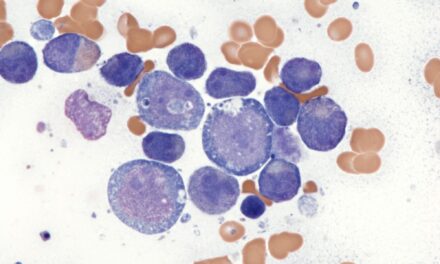
The RNA-based panel detects leukemia-associated gene fusions at levels as low as 1% tumor cells, offering another approach to monitoring residual disease.
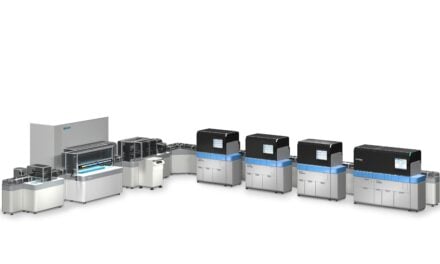
The partnership will allow clinical laboratories to integrate multiple Panther Systems into automated workflows designed to increase testing capacity and improve sample tracking.







Mayo Clinic Laboratories and Pathology Asia Holdings have announced a strategic investment to expand regional access to molecular and genomic diagnostics in Southeast Asia, Australia, and New Zealand.






Roche Diagnostics has supplied two molecular testing systems and is training laboratory staff in the Democratic Republic of Congo to expand PCR testing capacity for Bundibugyo virus amid rising Ebola testing demand.
Read More
Cerenome has launched two CSF-based molecular profiling tests for CNS cancers, offering DNA and RNA sequencing panels to evaluate primary, metastatic, and hematologic malignancies in the central nervous system.
Read More
Baylor Genetics has been named lead sequencing provider for Florida’s five-year Sunshine Genetics Pilot, which will use whole-genome sequencing to screen newborns for nearly 900 genetic conditions statewide.
Read More
A peer-reviewed study found that Olink proximity extension assay technology correlates with ELISA for measuring endothelin-1 in coronary artery plasma, supporting its use for high-throughput proteomics in clinical research.
Read More
Pillar Biosciences has introduced the oncoReveal Myeloid v2 Panel, expanding its NGS assay from 58 to 80 genes and enhancing FLT3-ITD detection while maintaining existing laboratory workflows.
Read More
Researchers from the PRECISE-SG100K study have identified over 2,500 new genetic-protein associations by analyzing data from 10,000 participants, advancing biomarker discovery in large-scale, multi-ethnic cohorts.
Read More
Renew Biotechnologies and Mayo Clinic have partnered to evaluate NeuroLens, a cfDNA-based test, for monitoring central nervous system injury and disease progression in multiple sclerosis and related neuroimmunologic conditions.
Read More
Roche subsidiary TIB MOLBIOL has launched a CE-marked newborn screening kit that simultaneously tests for spinal muscular atrophy, severe combined immunodeficiency, and sickle cell disease in laboratories across Europe.
Read More
The FDA has cleared Qiagen’s QIAstat-Dx BCID GN Plus AMR Panel, enabling U.S. labs to detect 13 gram-negative bacterial pathogens and 18 resistance markers in about one hour on the QIAstat-Dx system.
Read More
University of Florida researchers have developed a portable diagnostic device that detects and differentiates seven mosquito-borne viruses in under an hour, offering rapid results without the need for traditional lab equipment.
Read More
Garvan Institute researchers have developed a long-read nanopore DNA test that screens over 300 genes, diagnosing inherited muscle diseases in cases missed by standard testing.
Read More
An FDA advisory panel voted 7-2 that the benefits of GRAIL’s Galleri multi-cancer early detection blood test outweigh its risks for adults 50 and older, supporting its premarket approval application.
Read More
OGT has expanded its SureSeq Universal NGS Unique Dual Index portfolio, enabling up to 384 uniquely indexed samples per run on Illumina platforms, quadrupling previous capacity and supporting higher-throughput workflows, according to the company.
Read More
A Columbia University study finds that combining plasma p-tau217 blood tests with APOE4 genotyping can predict Alzheimer’s symptom onset within three to four years in high-risk, asymptomatic individuals.
Read More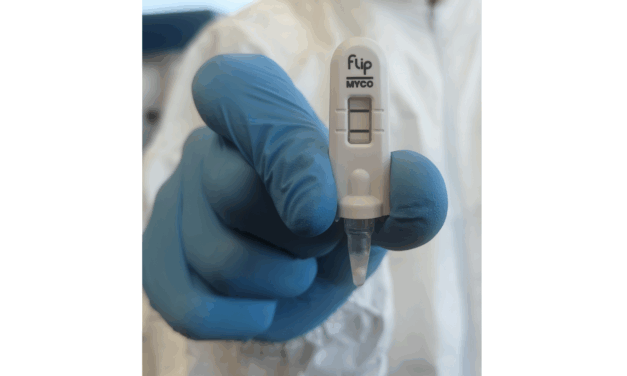
Fuse Diagnostics has raised £1 million to commercialize its instrument-free Flip molecular testing platform and expand manufacturing in Cambridge, UK, according to a company press release.
Read More