FDA Clears Point-of-Care Vaginitis PCR Panel with CLIA Waiver
The 20-minute multiplex test delivers eight results covering bacterial vaginosis, Candida species, and trichomoniasis from clinician- or self-collected swabs.


The 20-minute multiplex test delivers eight results covering bacterial vaginosis, Candida species, and trichomoniasis from clinician- or self-collected swabs.

The expanded partnership deploys the cloud-based HALO AP platform across enterprise laboratories to support emerging biomarker workflows and ADC pipeline diagnostics.



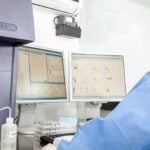


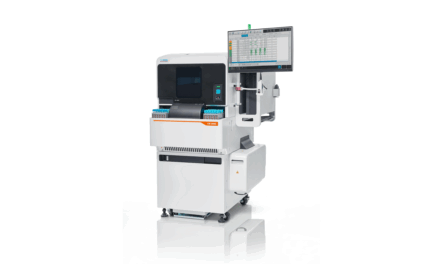
Siemens Healthineers has introduced the CN-3000 and CN-6000 hemostasis analyzers in the US, offering integrated testing methodologies and up to 13 hours of walkaway time for mid- and high-volume clinical laboratories.






Castle Biosciences’ new data presented at ACG 2026 show the TissueCypher test offers objective risk stratification for Barrett’s esophagus progression, providing information beyond standard histopathology.

The software update adds more than 50 features, an automated AI orchestration hub, and a research-use foundation model for gastrointestinal screening.

A global survey of 231 labs in 41 countries, published by IOF and IFCC, reveals significant inconsistencies in bone biomarker testing methods, reference intervals, and quality assessments, highlighting a need for greater harmonization.

A new blood biomarker ratio using neutrophil CD64 and monocyte CD169 demonstrated 100% sensitivity and 96.6% specificity for distinguishing bacterial from viral infections in febrile infants, according to study data presented at EEMC 2024.
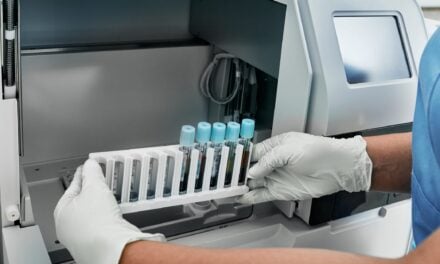
Variability in APTT assay results remains a challenge due to differences in reagents, activators, and detection systems, according to Sysmex, highlighting the need for lab-specific reference ranges and quality control protocols.

China’s NMPA has approved Quanterix and Innovita’s HD-X and SR-X immunoassay platforms and four blood-based neurology biomarker tests, expanding access to Alzheimer’s diagnostics in the Chinese clinical lab market.

IMS Solutions, a University of Birmingham and Imperial College London spin-out, has raised £1.1 million to commercialize mass spectrometry-based steroid biomarker tests for adrenal cancer and PMOS, with clinical validation underway.

UNC and Tulane researchers have developed a CRISPR-based microfluidic assay that identifies 15 nontuberculous mycobacteria species directly from clinical specimens in 3.5 hours, with over 97% sensitivity, according to a recent study.

Mayo Clinic Laboratories and Pathology Asia Holdings have announced a strategic investment to expand regional access to molecular and genomic diagnostics in Southeast Asia, Australia, and New Zealand.

Ambulance crews using point-of-care high-sensitivity troponin tests and the HEART score safely avoided ED transport for over one-third of chest pain patients, according to a study presented at the European Emergency Medicine Congress.
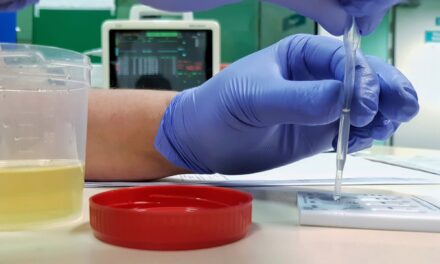
A multicenter study from Johns Hopkins Medicine found that an FDA-cleared rapid urine assay detected 92% of invasive aspergillosis cases, offering results within hours and supporting faster, noninvasive diagnosis in clinical labs.