
FDA Grants Breakthrough Designation to Melanoma Risk Assessment Test
The molecular test combines clinical variables and gene expression profiling to evaluate metastatic risk in patients with early-stage skin cancer.
The test detect signs of colorectal cancer and precancerous growths using a home collection kit.
The test combines genomic risk assessment and digital pathology analysis to help clinicians tailor monitoring strategies.
Researchers reported that the test reduced unnecessary biopsies by up to 64% without compromising detection of aggressive prostate cancers.
Read MoreThe updated test includes additional DPYD variants recommended by the Association for Molecular Pathology to help identify patients who may be at risk for severe chemotherapy side effects.
Read MoreNew clinical utility data showed that offering a blood-based lung cancer test increased screening participation compared with low-dose CT screening alone.
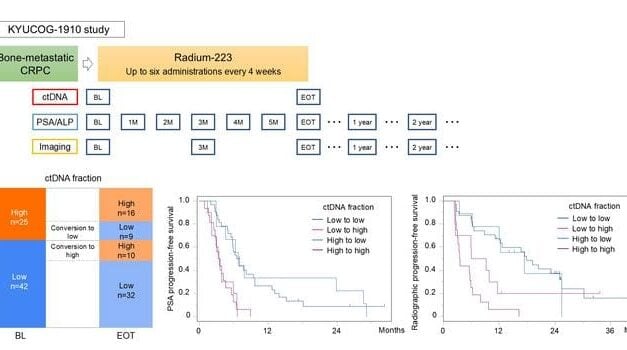
Read MoreMonitoring circulating tumor DNA dynamics outperformed standard markers for predicting survival and relapse in early-stage patients.
Read MoreThe study demonstrated that patients who test positive for ctDNA “actually benefit from chemotherapy.”
Read MoreResearch shows optical genome mapping identifies genomic changes in nearly 98% of T-cell acute lymphoblastic leukemia cases compared to 55% with traditional analysis.
Read MoreThe digital pathology platform provides patient-specific risk estimates to help clinicians tailor treatment for metastatic hormone-sensitive disease.
Read MoreResults from the NHS-Galleri study show a 26% reduction in metastatic cancer diagnoses by the third round of screening.
Read MoreThe diagnostic test identifies specific genetic mutations to help select patients for a targeted therapy combination.
Read MoreThe test uses a new approach to identify signs of cancer recurrence with faster result times for healthcare providers and patients.
Read MoreClinical results show high sensitivity for colorectal cancer relapse and ultra-low detection limits for lung cancer.
Read MoreThe tissue- and blood-based tests identify patients with specific gene mutations who may benefit from a combination therapy.
Read MoreResults from the PATHFINDER 2 trial show the Galleri test identifies 6.5 times more cancers when used with standard screenings.
Read MoreThe authorization from the New York State Department of Health makes the screening test available in all 50 states.
Read MoreThe multicenter study will evaluate proactive outreach to at-risk relatives and the impact of multigene panel testing on patient care.
Read More