Siemens Healthineers Launches FDA-Cleared D-Dimer Blood Test
Siemens Healthineers has launched the FDA-cleared Innovance D-Dimer 2.0 assay, designed for rapid exclusion of DVT and PE in outpatients and optimized for STAT laboratory testing.

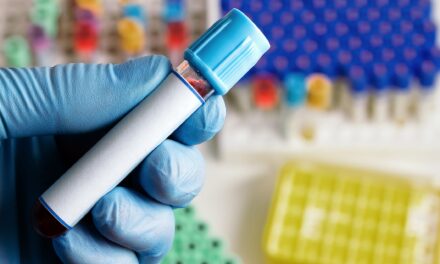
Siemens Healthineers has launched the FDA-cleared Innovance D-Dimer 2.0 assay, designed for rapid exclusion of DVT and PE in outpatients and optimized for STAT laboratory testing.
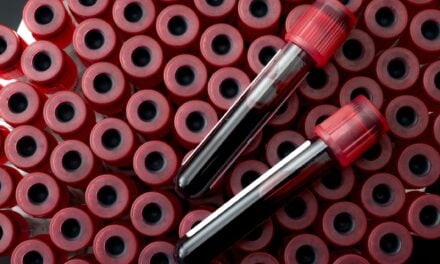
An FDA advisory panel voted 7-2 that the benefits of GRAIL’s Galleri multi-cancer early detection blood test outweigh its risks for adults 50 and older, supporting its premarket approval application.

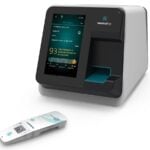



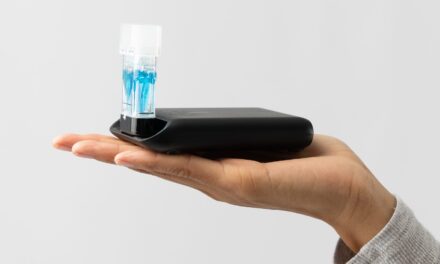
The FDA has cleared Aptitude’s next-generation Metrix COVID Test, which the company says offers 3-fold higher sensitivity and 30% faster results compared to its EUA version.



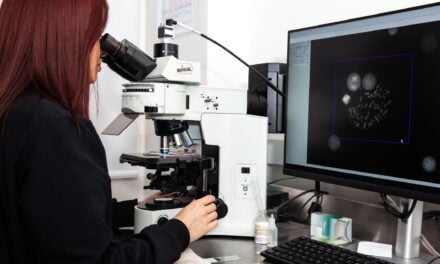
A study led by Augusta University found 100% concordance between Nabsys OhmX electronic genome mapping and standard cytogenetic methods in detecting pathogenic variants in AML and CML bone marrow samples.

A nine-lab network evaluated four Bundibugyo virus PCR assays from two manufacturers in two weeks during the 2026 outbreak, establishing new reference standards, according to a study in The Lancet Infectious Diseases.
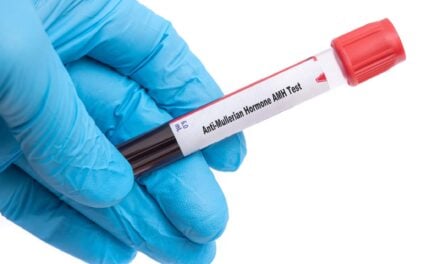
General practitioner requests for AMH fertility tests rose more than 13-fold from 2011 to 2021, despite research showing these tests cannot predict natural conception, according to a Flinders University study of 1.4 million health records.

A Vanderbilt study finds that standard genetic tests for lamotrigine reaction risk omit HLA-A*32:01, a marker linked to severe DRESS, raising concerns about current pharmacogenomic panel effectiveness.
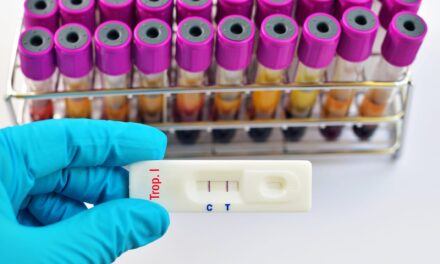
A large trial finds that the rapid 0/1-hour cardiac troponin testing pathway is as safe as standard methods but does not reduce emergency department length of stay or increase direct discharge rates.

A Columbia University study finds that combining plasma p-tau217 blood tests with APOE4 genotyping can predict Alzheimer’s symptom onset within three to four years in high-risk, asymptomatic individuals.

A University of Exeter study finds that adding a genetic risk score to MODY testing can identify hidden type 1 diabetes in 16% of patients with negative genetic results, supporting updated NHS diagnostic protocols.
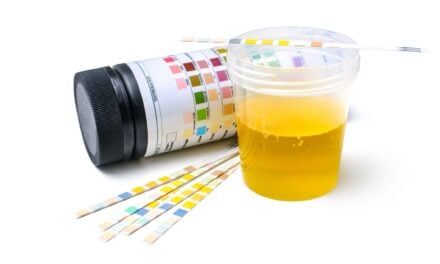
A Johns Hopkins study reports that adding three urine biomarkers to standard assessments raises the accuracy of predicting deceased donor kidney transplant success from 80% to 86%.

The Cystic Fibrosis Base assay has received IVDR accreditation, ensuring high standards for detecting cystic fibrosis mutations.

A study validates Nu.Q NETs H3.1 nucleosomes as independent predictors of 28-day mortality and renal replacement therapy need in sepsis and septic shock, according to VolitionRx.