New Imaging Technology Could Speed Up Cancer Diagnosis
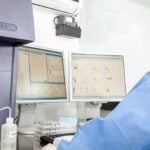
Early results indicate the process could reduce sample preparation time by approximately 40% to 50%, while improving consistency by removing variability linked to staining conditions.
Initial results from a real-world study of the ProVue Lung test demonstrate 83% sensitivity for Stage I cancer in high-risk patients.
Research shows optical genome mapping identifies genomic changes in nearly 98% of T-cell acute lymphoblastic leukemia cases compared to 55% with traditional analysis.
Results from the PATHFINDER 2 trial show the Galleri test identifies 6.5 times more cancers when used with standard screenings.
Read MoreThe authorization from the New York State Department of Health makes the screening test available in all 50 states.
Read MoreThe multicenter study will evaluate proactive outreach to at-risk relatives and the impact of multigene panel testing on patient care.
Read MoreThe study identifies HAVCR1 as a tool for earlier detection and treatment monitoring for primary central nervous system lymphoma.
Read MoreThe panel integrates biomarker testing and digital tools to support fibrosis risk assessment and liver cancer surveillance.
Read MoreThe funding will support commercial expansion of the company’s blood-based diagnostic tests and the appointment of a new president and chief operating officer.
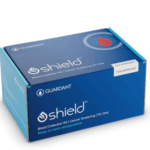
Read MoreThe new recommendations add blood-based testing and multi-target stool testing as options for average-risk adults starting at age 45.
Read MoreThe $750 million deal aims to integrate AI-powered technology and image management systems into pathology laboratory workflows.
Read MoreResearch presented at ESTRO 2026 suggests circulating tumor DNA can identify which patients will benefit from combined radiation and drug therapy.
Read MoreThe tissue-based test identifies patients with MET exon 14 skipping alterations eligible for treatment with tepotinib.
Read MoreTempus has launched the ArteraAI Prostate Test, a CLIA-certified, CAP-accredited AI tool for metastatic hormone-sensitive prostate cancer, offering personalized risk estimates and designed to support treatment decisions, according to the company.
Read MoreThe FDA has approved Guardant360 Liquid CDx, a blood-based test that integrates genomic and epigenomic profiling for advanced cancer, offering a broader genomic footprint and faster results.
Read MoreTGen has launched JAYseq, a clinical whole genome sequencing test for multiple myeloma that delivers results in 72 hours, enabling rapid identification of genetic changes and immunotherapy targets, according to the institute.
Read MoreCleveland Diagnostics has received ISO 13485:2016 certification for its IsoPSA Assay, supporting scaled U.S. commercialization following recent FDA approval for prostate cancer risk assessment.
Read MoreResearchers at Vanderbilt-Ingram Cancer Center report that RNA sequencing of blood samples can predict immunotherapy response in high-risk breast cancer patients.
Read More