Illumina Partners Advance Cancer Research with Multiomics Technologies
Studies demonstrate spatial transcriptomics, 5-base sequencing, and proteomics applications in oncology diagnostics and therapeutic development.
Foundation Medicine will acquire SAGA Diagnostics’ Pathlight MRD platform, expanding its cancer monitoring portfolio. The $595 million deal is expected to close by Q3 2026, with integration supporting treatment selection and recurrence monitoring.
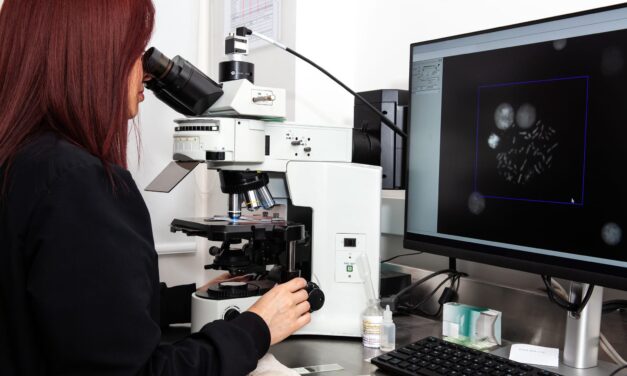
Optical genome mapping detected clinically significant genetic variants missed by standard tests in nearly 20% of acute leukemia cases, according to a 200-patient study.
Presentations at the upcoming annual meeting will focus on AI-based analysis, biomarker prevalence, and therapy development.
Read MoreThe collaboration aims to create an innovation pipeline for specialized pediatric tests across oncology, metabolic disease, and autoimmune conditions.
Read MoreThe tool uses digitized pathology slides to estimate how patients will respond to therapy before surgery.
Read MoreResearchers at MD Anderson have identified a blood-based biomarker using T cell receptor sequencing that may help assess cancer risk in asymptomatic Lynch syndrome carriers, according to a study in Nature Communications.
Read MoreThe clearance of the Onclarity HPV Self-Collection Kit and approval of the BD Onclarity HPV Assay aim to reduce barriers for unscreened populations.
Read More20/20 BioLabs’ AI-powered multi-cancer early detection test, OneTest for Cancer, is now available to approximately 40,000 clinicians via the Evexia Diagnostics platform.
Read MoreBiodesix will present seven abstracts—including two oral sessions—at AACR 2026, highlighting advances in automated myeloid testing, liquid biopsy, and NGS-based cancer monitoring platforms.
Read MoreData from nearly 1,900 SEER-linked patients show the test identifies meaningful survival differences within the same AJCC stage.
Read MoreThe updated urine test utilizes machine learning and patient ethnicity to provide individualized risk scores for aggressive disease.
Read MoreA new survey-based study finds that more than half of physically Disabled women would prefer at-home human papillomavirus testing over traditional clinic-based cervical screening.
Read MoreA new study validates a machine-learning platform that detects prostate cancer through biochemical patterns in urine samples.
Read MoreCaris Life Sciences has launched Caris ChromoSeq, a whole genome and transcriptome sequencing assay for myeloid malignancies, designed to consolidate multiple tests into a single workflow with a seven-day turnaround.
Read MoreIrish researchers have secured €670,000 to clinically validate a blood-based colorectal cancer screening test using inflammatory biomarkers, aiming for launch by 2027 through a new spin-out company.
Read MoreThe BiliSeq molecular test detected bile duct cancer in 82% of cases—compared to 44% with standard pathology—according to a six-year, multi-institutional study.
Read MoreUsing causal artificial intelligence and digital pathology, the test moves beyond population-level averages to predict patient-specific chemotherapy outcomes.
Read More