
AI Prostate Cancer Test Enters Clinical Use in Puerto Rico
The test analyzes digital biopsy images to help predict treatment response and long-term outcomes for patients with localized prostate cancer.
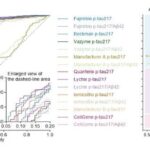
A new NIH-funded study finds that elevated circular RNAs in blood may predict Alzheimer’s symptoms years in advance, outperforming current blood tests in forecasting disease progression.
The test detect signs of colorectal cancer and precancerous growths using a home collection kit.
The screening tool aims to identify the disease in adults under 50, a population experiencing a significant increase in cases.
The new molecular panels are designed to detect up to 22 pathogens in one hour with enhanced norovirus detection.
The patent covers a gene-expression profiling method designed to identify patients most likely to respond to the investigational therapy stenoparib through 2042.
As autoimmune and allergy test volumes rise, labs are prioritizing workflow standardization and structured testing pathways to ensure reliable results, according to Santhosh Nair, president of immunodiagnostics at Thermo Fisher Scientific.
The assay measures enzyme activity in plasma to help clinicians identify acute ischemic stroke, which is often missed by standard imaging.
The study highlights the role of brain-derived nanoparticles in identifying the disease through minimally invasive testing.
A two-year real-world study of Renalytix’s FDA-approved KidneyIntelX.dkd test showed improved kidney function and targeted treatment in 2,470 patients with type 2 diabetes.
Elevated donor-derived cell-free DNA levels are linked to higher kidney transplant failure risk, suggesting earlier detection of allograft injury before loss of kidney function.
The Cystic Fibrosis Base assay has received IVDR accreditation, ensuring high standards for detecting cystic fibrosis mutations.
The BD BACTEC FXI Culture System reduces detection time for bloodstream infections by approximately three hours compared to previous models.